Co-Founded by UK based Zac Best and Robert Hogarth, SettleIndex is a risk analysis and litigation decision making platform that enables lawyers and clients to make informed decisions and reduce risk in financial disputes. Selected to be part of the Lander & Rogers Australia Law Tech Hub cohort for 2022, SettleIndex focuses on 3 core areas - empowering law firms with informed litigation strategies, improving corporate litigation outcomes and process when working with outside counsel, and reducing the cost of insurance claims and improving capital management. You can find out more about this clever financial analysis litigation platform here - https://settleindex.com/
Basalt is the most common volcanic rock on the planet. A new geoengineering study has considered the impacts of adding basalt to large expanses of soil so that the natural process of carbon sequestration (CCS) can be sped up significantly. Other benefits are increased crop yields, better drought resilient soils, reduction in acidity (especially in the oceans from run-off), additional revenue streams for farmers (carbon credits) and scalability at costs competitive with other CCS tactics (other than re-forestation - which isn't possible at scale in all soil types/locations).https://physicsworld.com/a/sprinkling-basalt-over-soil-could-remove-huge-amounts-of-carbon-dioxide-from-the-atmosphere/
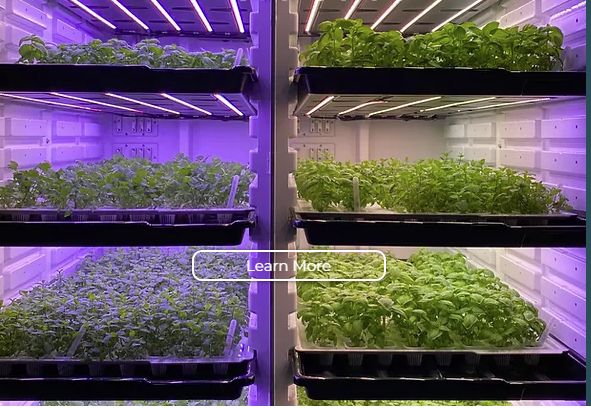
New South Wales-based tech company InvertiGro has won the Food Agritech category at the InnovationAus 2022 Awards for Excellence for its novel and innovative solution to the world’s global food security struggles.InvertiGro's modular sealed grow cubes can be installed almost anywhere: from inner-city basements and car parks to warehouses in remote rural locations, without costly building modifications. Internally, they can be configured, and easily reconfigured, to deliver the optimal growing conditions and resource efficiencies for a wide variety of crops including food, fibres, fodder and medicinal plants.https://www.innovationaus.com/vertical-farm-business-invertigro-scores-food-agritech-award/
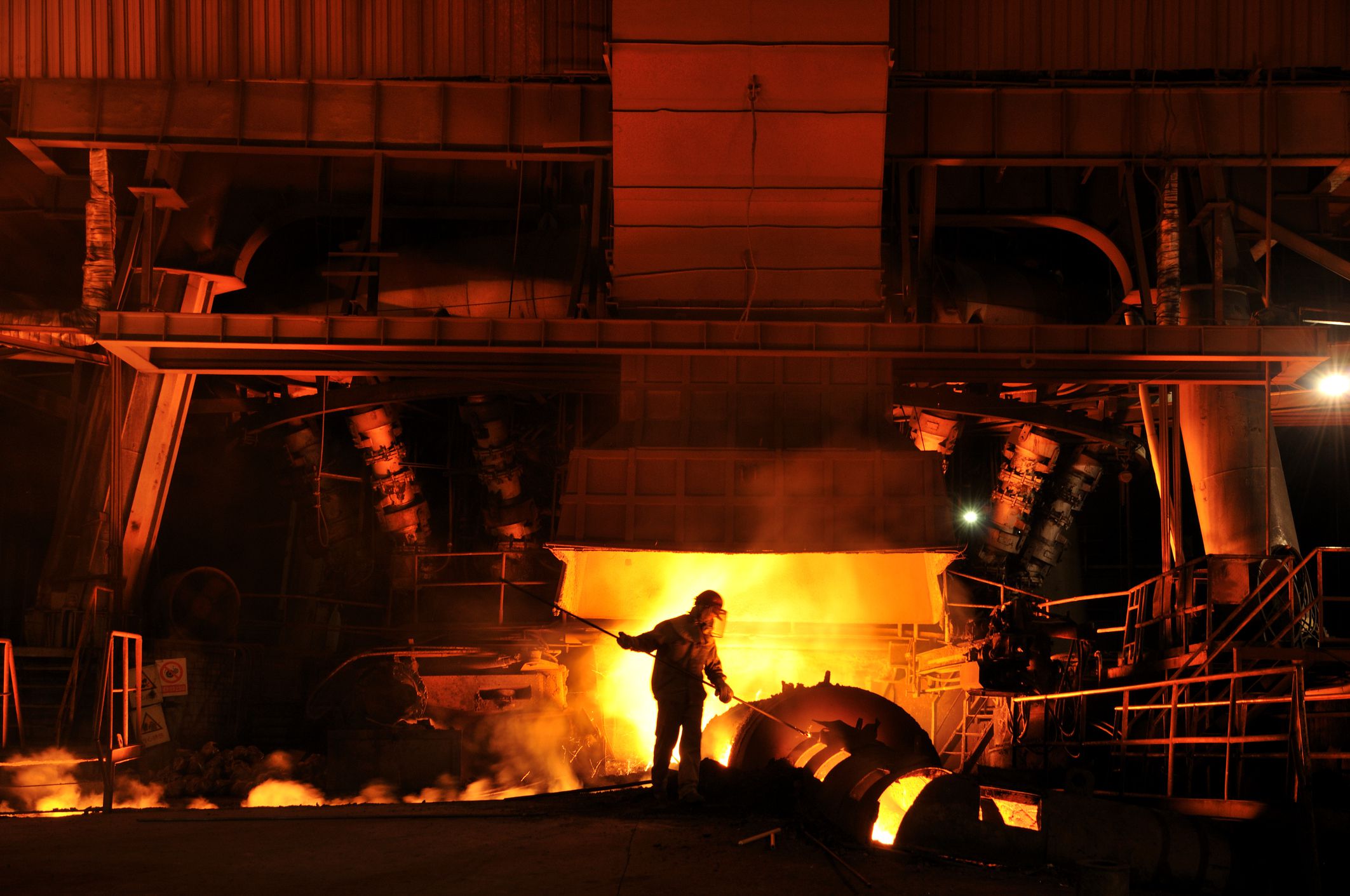
At COP27, various stakeholders have deliberated on ways to accelerate the decarbonisation of the carbon-heavy steel industry - currently contributing 8% of world carbon emissions. In response, China’s steel efforts aim to turn around its 'dirty' industry via a range of measures, including new steel furnace technology, hydrogen direct reduced iron and scrapped steel regeneration. China produces over 1/2 the world's total of crude steel.A recently published plan states the
country will “upgrade over 80% of steel production capacity” to slash
carbon emissions and aim to push down overall energy consumption per
tonne of steel: https://climatetracker.org/can-china-decarbonise-its-dirty-steel-industry-by-2030/