KITX attempt to REWILD the earth through the sourcing of organic materials from farmers practising regenerative agriculture and by supporting reforestation.
They RENEW materials by generating want from waste. They REHOME past KITX collections as they move toward a circular fashion system. Through their principles of regeneration: rewild, renew and rehome, KITX is committed to harnessing the transformative power of storytelling through fashion. As they move beyond sustainability, KITX promises to create fashion by not only sourcing materials consciously but also by using their principles to regenerate and heal the earth.
https://kitx.com.au/collections/denim
The Oxford-based Institute for Digital Archaeology has created a high-precision replica of a horse’s head from the Parthenon Marbles and is working on another of the Centauromachy metope, in a bid to convince the British Museum to return the originals to Greece. The horse’s head has been chiseled by robot from Italian marble to serve as a model for another of Pentelic marble that will be seemingly identical to the original. The two replicas are expected to be finished by the end of the month and put on show in London.https://www.ekathimerini.com/multimedia/images/1188642/new-tech-to-bring-back-ancient-sculptures/
The Law Store brings together legal, digital and product specialists to creative innovative legal solutions for law firms. So far, they have launched 2 incredible products - LiveSign and eCAF. LiveSign combines digital signatures with government grade photo ID technology. eCAF combines verfication of identity technology with a client autorisation form, meaning recipients can be certain of the identity of the person who is signing the form online. With a mission to simplify legal signing solutions without compromising on security and safely, I’m excited to see what other products the The Law Store releases! Head to https://thelawstore.com.au to learn more.
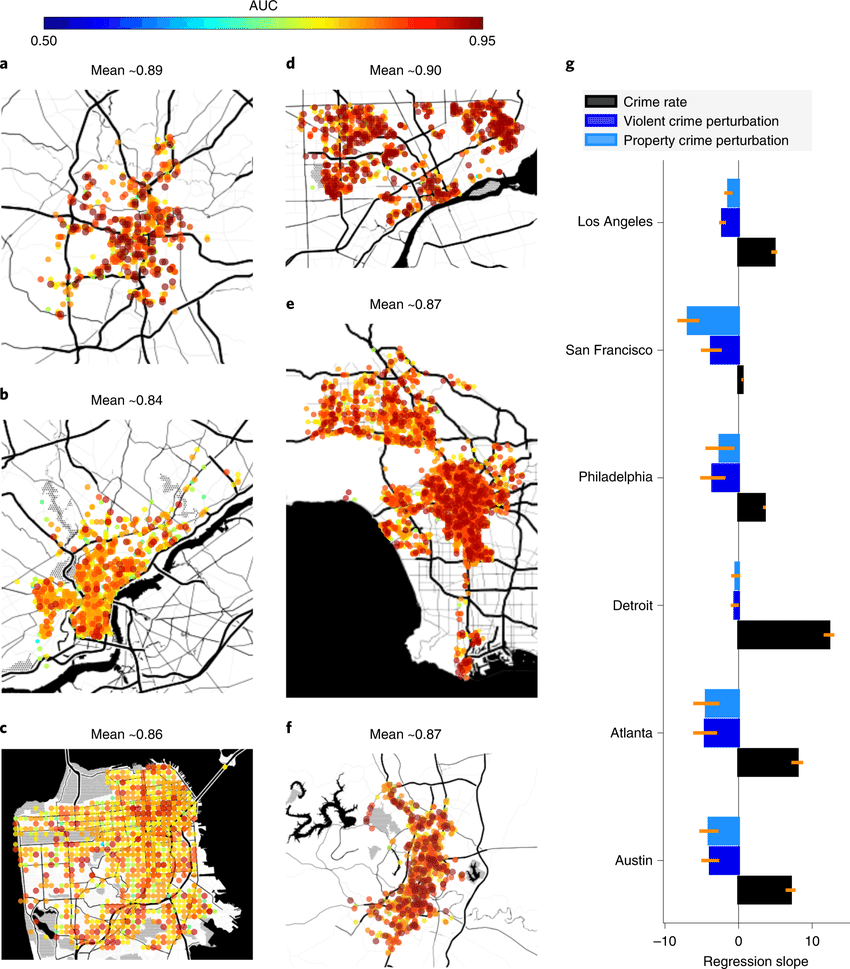
Social scientists from the University of Chicago have formulated an algorithm that claims 90% accuracy in forecasting crime - detecting patterns of time to predict future events.
This isn't the first algorithm to look at this problem, but previous models identified emerging 'hotspots' which was subject to bias. The new model claims to be able to ask questions like 'what happens to the crime rate if property crimes increase?'... which could be a better measure. research paper > https://www.researchgate.net/publication/361651657_Event-level_prediction_of_urban_crime_reveals_a_signature_of_enforcement_bias_in_US_citiesimage credit: researchers