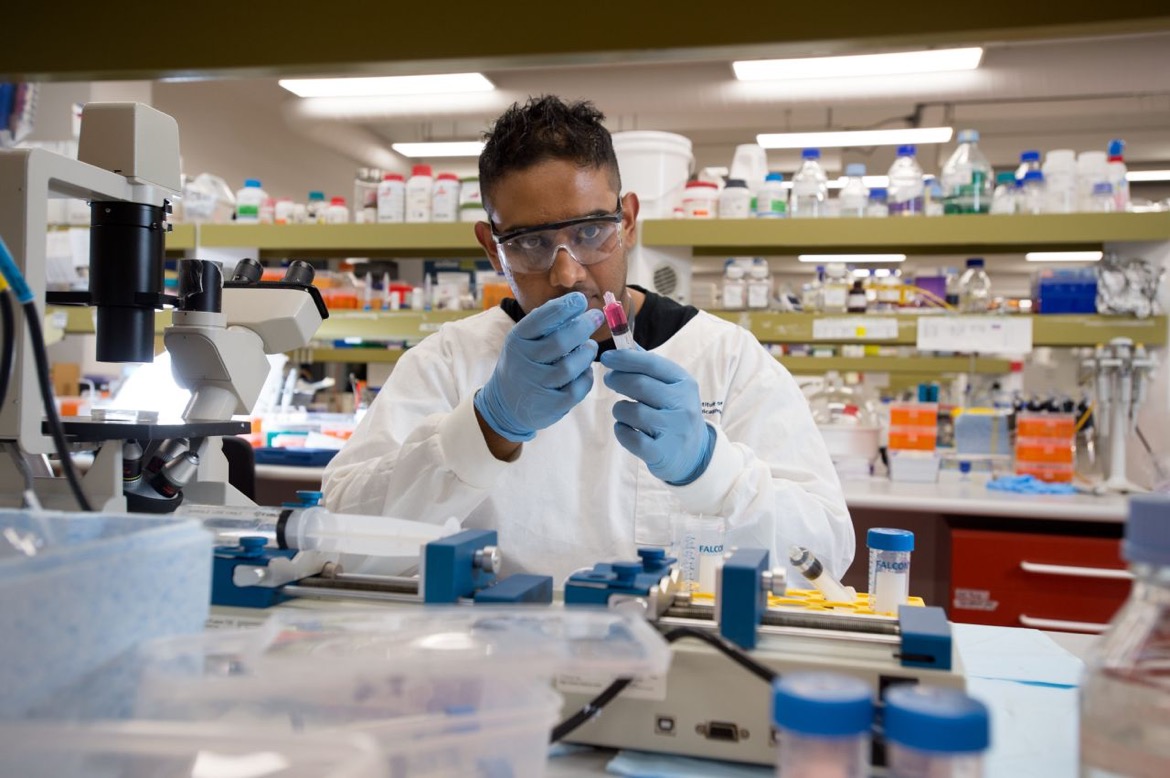
PA Hospital lung cancer researcher Dr Arutha Kulasinghe has collaborated with local and overseas researchers to identify a genetic marker called IFI27 in the lung tissue and blood of people with Covid-19 which can be used to identify how severe the virus is likely to be in Covid-19 patients and signal whether they need to be hospitalised or are able to quarantine at home. Sydney-based company SpeeDx are now developing a blood test that could be used by an infected person, early on in their symptoms, as a guide to how bad their infection will be. | https://www.pafoundation.org.au/news/36/covid-19-studies-advanced-thanks-to-cancer-research
As the main source of ransomware attacks is offshore, they
are unlikely to be stemmed by the threat of prosecution for making a ransom
demand. Offshore prosecution for such threats would be difficult to achieve in
the jurisdictions that most cyberattacks come from.
If the making of payments is banned, then company directors
and other individuals are less likely to pay a ransom. If they do pay a ransom,
then they become liable to prosecution.
By stemming the potential financial reward from ransomware
attacks the perpetrators are likely to look elsewhere for easier targets.
Cryptocurrency is on the rise. Australia’s technology
pioneer Peter Kazacos OAM of KAZ is bringing
KAZ quantum security technology, in partnership with Quantum Digital Assets
Limited.
The industry-first solution is set to revolutionise cryptocurrency
security by using quantum technology to fight quantum computing and upgrade the
cryptography of existing protocols (like Bitcoin). Using
real quantum phenomena, the quantum tunnelling of electrons are totally
unpredictable and entirely random to produce quantum cryptographic keys. Theoretically this is impossible
to reverse engineer and breach. This has the capability
to solve crypto’s security vulnerability and remove threats posed by quantum
computers. More: https://quantumassets.vg/
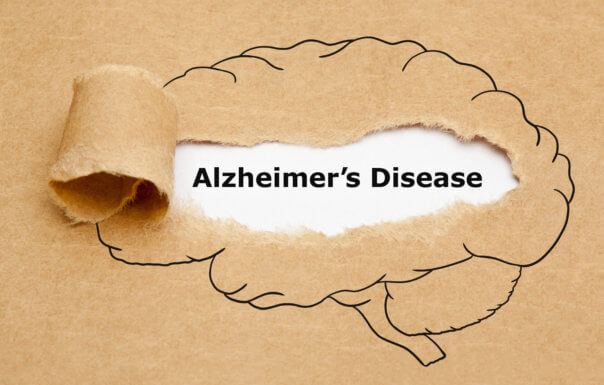
Researchers based at the Cleveland Clinic Lerner Research Institute found that by gradually reducing an enzyme in the brain called BACE1, they reversed the formation of amyloid plaques in the brains of mice with Alzheimer’s disease, improving their cognitive function. The scientists hope that this research will eventually produce drugs aimed at this enzyme in human brains. This discovery edges science closer to both a vaccine and a treatment for Alzheimer's Disease which, in an ageing population, is sorely needed.
We know Australians want better access to electric vehicles and that 75% of new car sales by 2030 need to be electric for Australia to achieve net-zero emissions by 2035. Yet, Australians wanting to purchase electric vehicles are met by roadblock after roadblock.Every year Antler invests in exceptional people, and their latest cohort is no exception. One of their latest investment is Vyro The cleantech company with the ambitious plan to put electric vehicles in reach of every Australian. They do this by making it seamless and easy for customers to purchase them. Accelerating Australia’s transition to sustainable mobility. https://www.vyro.com.au/about-us
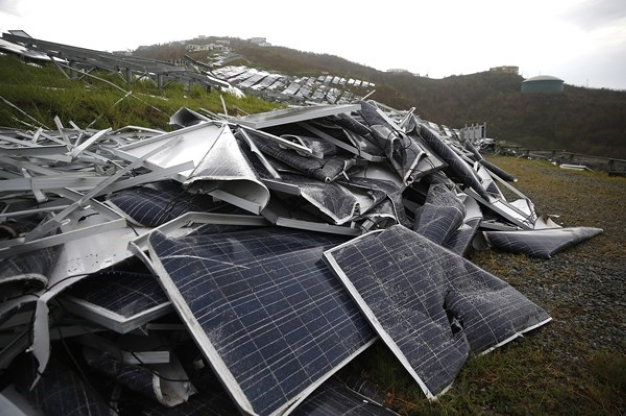
Science Direct forecasts worldwide solar PV waste will to reach around 78 million tonnes by 2050. Recovery of materials such as silicon has traditionally needed hydrofluoric acid, a highly toxic and corrosive chemical. Scientists have found a new way to recover silicon which uses a specific chemical treatment sequence, using less toxic chemicals. The process delivers a silicon purity of 99.9984%, recovers more useful materials than just silicon and delivers a profit of $185 on every 1kg of solar panel recycled in this manner.https://www.saurenergy.com/solar-energy-news/indian-scientists-recover-pure-silicon-from-obsolete-solar-cells