Energy
Circular Economy Sewage Sludge
Sewage sludge, which is fully of organics and nutrients, is often used for fertiliser. But sewage sludge can contain pathogens, microplastics, heavy metals, PFAS and chemicals. Pyrolysis (high heat/no oxygen) is a process often used to render biomass (sludge) safe. RMIT have developed a novel pyrolysis reactor which optimises heat/mass transfer processes. This translates directly into savings in capital and operating costs. It also delivers a 30% reduction in CO2 emissions, while shrinking the tech to make it highly mobile. Trials of the new reactor in real-world applications are underway in Victoria, Australia.
Energy
MoorPower Please
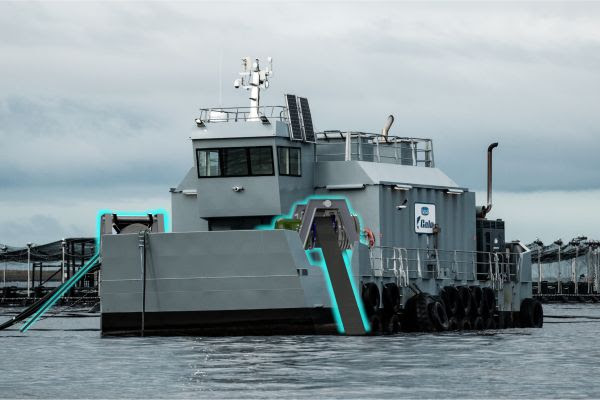
Vessels moored off-shore typically rely on diesel for fuel. For vessels like feeding barges, used in aquaculture, frequent re-fuelling also risks spills and other disruptions to their operations. But what if you could harness the energy from the waves for an endless, reliable, clean source of energy by using a submerged buoy to convert the motion into electricity
energy? Over the next two year Carnegie Clean Energy will test its adapted CATO system for just these sorts of applications. If successful, decarbonising offshore aquaculture would be just the beginning.
AgTech
The Safest Way to Get Scared in Washington State
A Stocker Farm owner in Washington State found a way to deal with the pandemic by creatively offering a Halloween attraction drive-thru.Entertaining and freakishly filled horror moments can be found on farms like this one called "Stalker Farm" around Halloween that helps with social distancing in lieu of the typical haunted house attraction.Use of professional actors, make up artists, original story lines and scenes, Stalker Farm drops you in the middle of a horror movie as you drive through it. This idea is taking off on many farms across the United States to create agri-tourism.
AgTech
Robotic Delivery of Food on Campuses
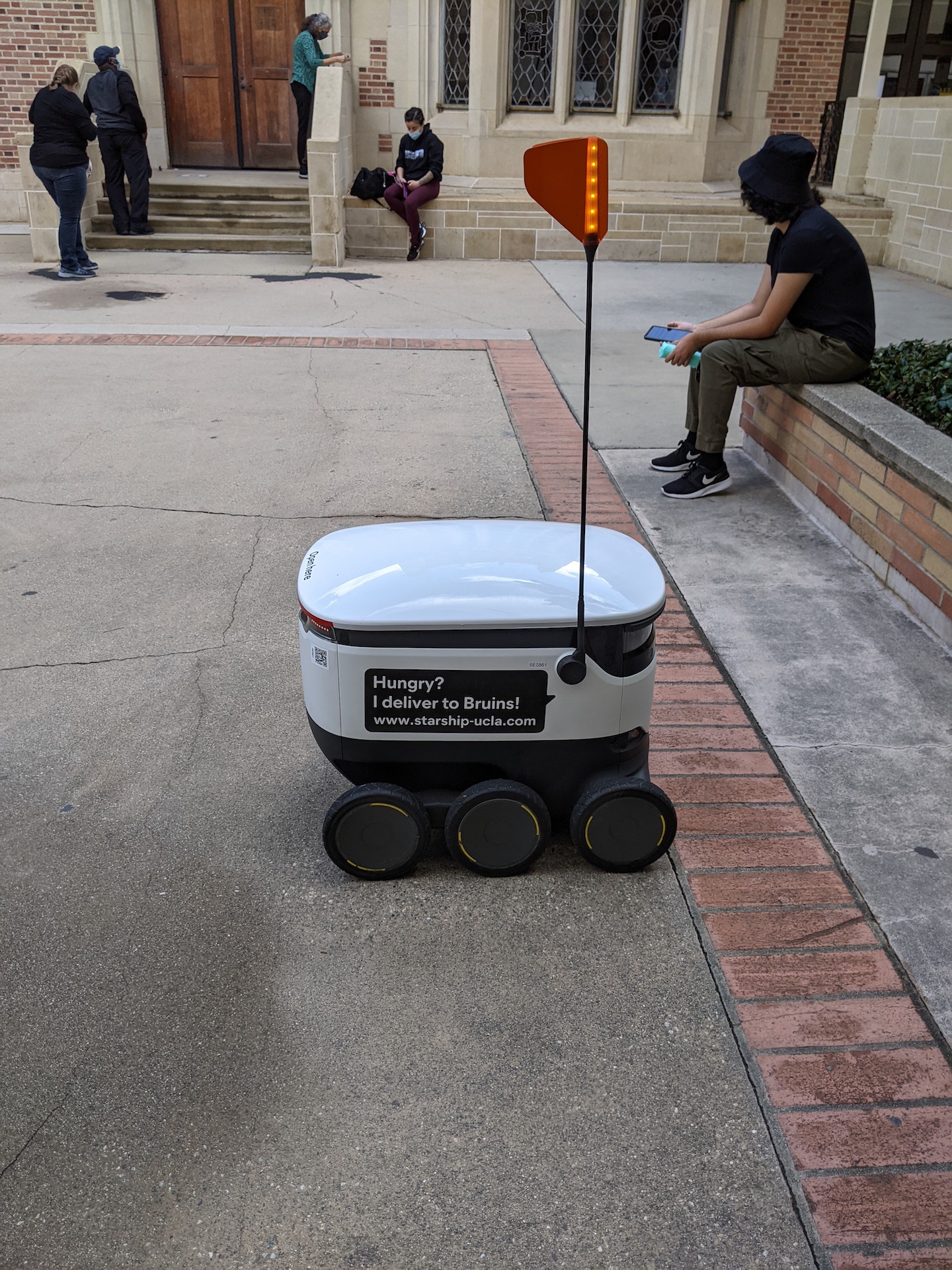
Robots are being used on campuses in the United States. Parcels, food delivery and groceries can be taken by 100 pound robots owned by Starship. They are used at a variety of stores to deliver in places like UCLA where I recently visited and have been increasingly used on campuses throughout the U.S.A. They operate at a fraction of the cost of normal delivery . The items are delivered at the time the customer requests by way of a mobile app.They navigate around people and objects.The robots are electrically powered so they are green and clean.