German revenue-generating startup Neurocat, provides consulting and product assistance with helping organisations build and demonstrate safety, trustworthiness and security into their AI products and platforms.
Is this tool (AIDKIT) and quality assurance approach the makings of a global-first AI certification process and seal of approval?https://www.neurocat.ai/
Image credit: Bamenny @ Pixabay
Benches that you can rotate using the handle so you can sit on a dry area if it has rained. One of the best innovative ideas on this list! This is something that people could benefit from everywhere!
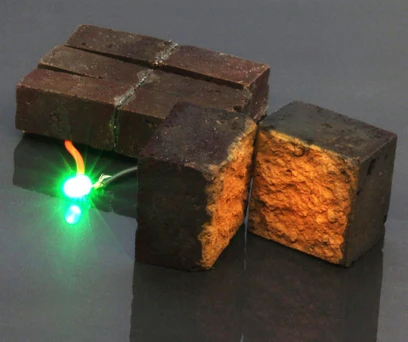
Scientists have found a way to store energy in the red bricks that are used to build houses. Researchers led by Washington University in St Louis, in Missouri, US, have developed a method that can turn the cheap and widely available building material into “smart bricks” that can store energy like a battery. Although the research is still in the proof-of-concept stage, the scientists claim that walls made of these bricks “could store a substantial amount of energy” and can “be recharged hundreds of thousands of times within an hour”.Source: https://www.sciencefocus.com/future-technology/future-technology-22-ideas-about-to-change-our-world/
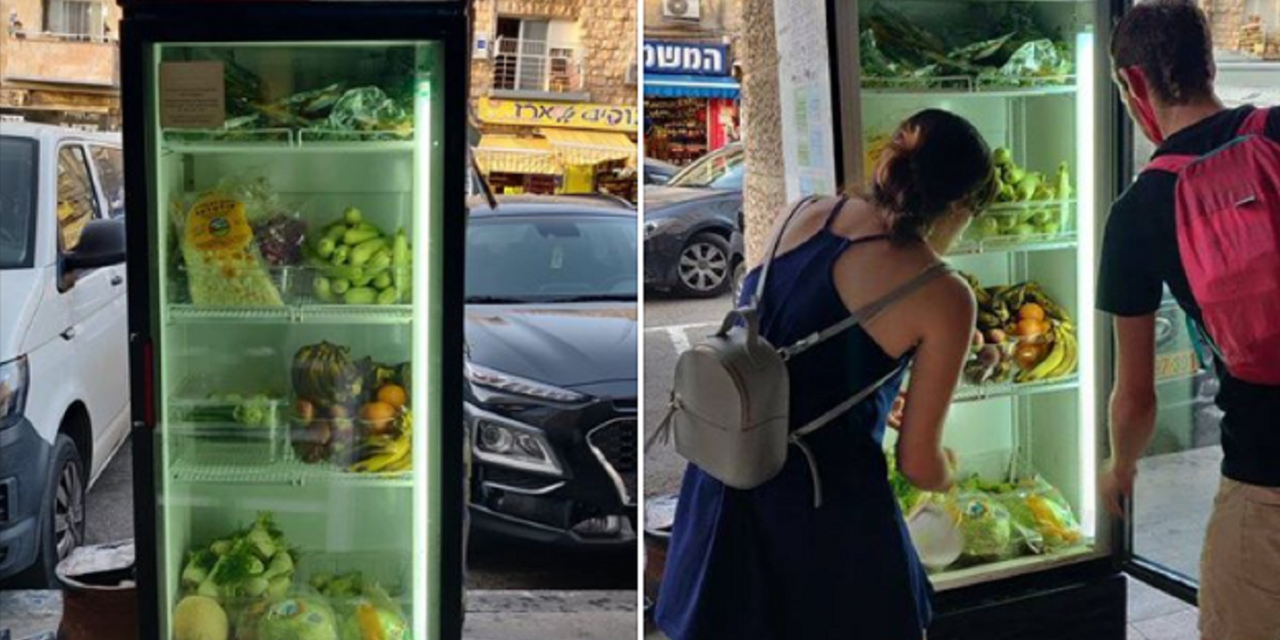
A new way to distribute perishable food to the poor and prevent agricultural waste has been gaining momentum in Israel’s capital, Jerusalem.
Started by charitable young residents of Jerusalem, the project — called The Fridge — involves public refrigerators that is restocked by local vendors and grocers who donate their time and produce. The fridges are being placed in cities throughout Israel to feed the hungry.
While COVID-19 has changed how we work, it’s certainly up-ending how we think of learning. Shifts in Micro-learning and more have been taking place preCOVID and now edutech startups are frontline investor focus. The latest, a Singapore based startup, Emeritus, used by some of the world’s top universities and other educational institutions for online courses, raised USD$650 million in a funding round led by SoftBank Group.Facebook’s founder Mark Zuckerberg’s charity is a current investor. Image by ElasticComputeFarm from Pixabayhttps://emeritus.org/
Australia could turn carbon dioxide waste into a valuable revenue stream according to a new report from Australia’s national science agency, CSIRO.CCU technologies capture CO₂ from the waste streams of industrial processes, or directly from the atmosphere, and convert it into useful new products, ranging from synthetic fuels to food and beverages, chemicals, and building materials.Currently, industries such as cement, steel, plastics and heavy transport are unable to rely on renewable technologies alone and account for about a sixth of Australia’s emissions and around a third of global emissions.https://www.csiro.au/en/work-with-us/services/consultancy-strategic-advice-s