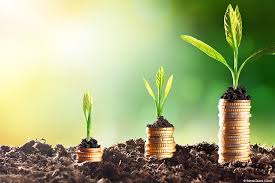
Breakthrough Energy Catalyst program is seeking to significantly decrease the cost of priority clean technologies to increase their availability in market & accelerate decarbonisation. Via a tweaked public-private partnership financing model the European Commission & Catalyst will reportedly mobilize a total of $US1 billion (€820 million) over the next 5 years to build large-scale, commercial demonstration projects in 4 areas;- green hydrogen, direct-air-capture (DAC), long-duration energy storage and sustainable aviation fuels.https://www.weforum.org/agenda/2021/07/clean-energy-innovation-sustainability-jet-fuel-storage/
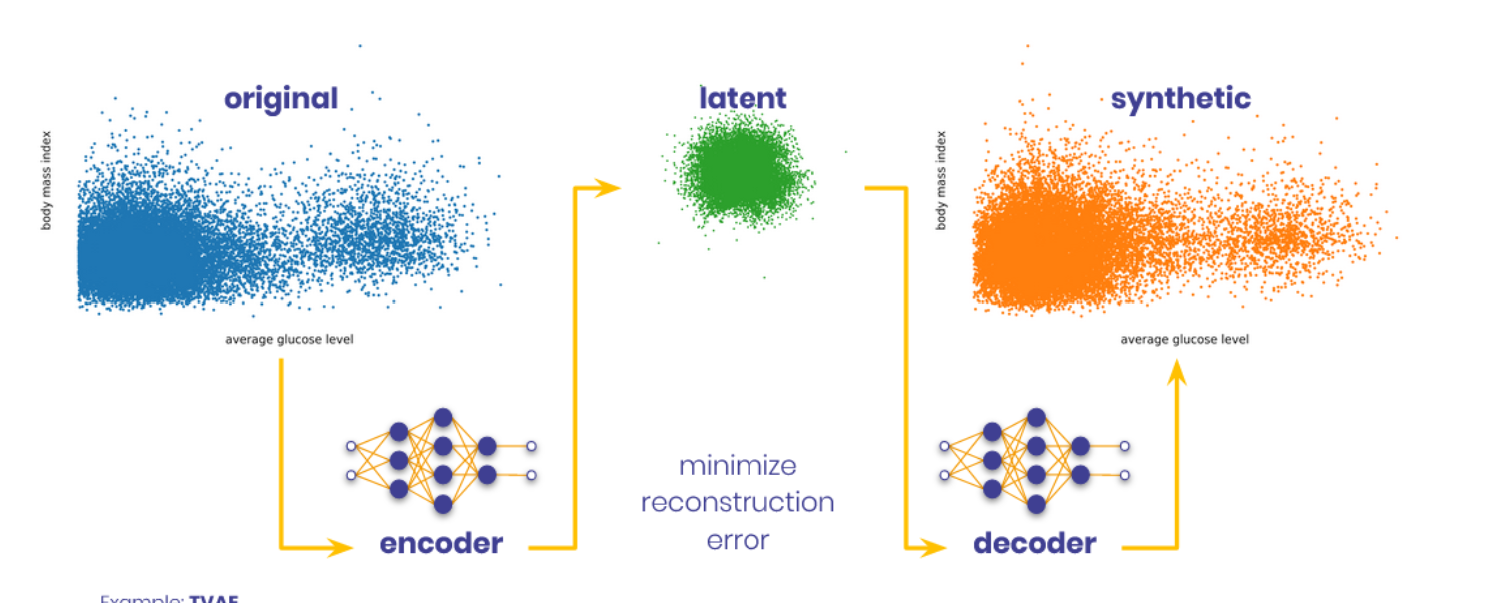
Researchers from MIT have open sourced a synthetic data vault for data scientists. This could revolutionise and accelerate data science applications as it seeks to reduce privacy and security risk inherent in sensitive datasets.https://sdv.dev/image credit: statice.ai
Are data trusts practical and more effective to manage the complexity of data sharing & privacy requirements?Some interesting thoughts from MIT - some of this thinking/ approach was piloted in EU/ UK recently, and back in 2017 Google's Sidewalk labs tried it out. Could we be ready for data trusts now?https://www.technologyreview.com/2021/02/24/1017801/data-trust-cybersecurity-big-tech-privacyimage credit: MIT
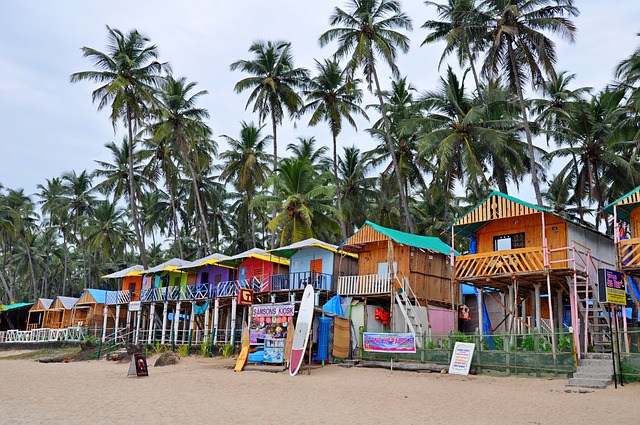
Goa is considered to be the most westernized state of India and is a popular tourist destination all across the world. Formerly a Portuguese colony, this place is also known as the ‘Rome of the East. Goa is a combination of Indian and Portuguese cultures and that’s why Portuguese culture in Goa is very common in the state. Until 1961, Goa remained a colony of Portugal, 14 years after India’s independence. In this post we are giving you all the necessary details regarding the Goa lifestyle and culture...read more: https://ishmoh.com/goa-lifestyle-and-culture/
As part of HATCH: Taronga Accelerator Program 2021
Carapac's ocean to earth sustainable plastic packaging solution, made from crustacean shells is addressing the issue of plastic pollution.
With only 10% of the world's plastics being recycled each year and soft plastics and packaging being the main culprit, Carapac is offering a solution to the problem.
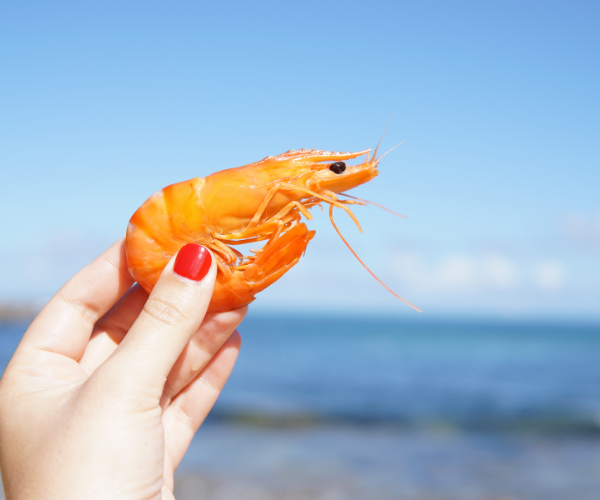
Sourcing natural material to combat the enormous amounts of plastic waste that ends up in the ocean they are keeping it shrimple. By using existing crustacean shells waste as a source they turn it into a sustainable plastic alternative.
Check out Carapac here: https://carapac.com.au/