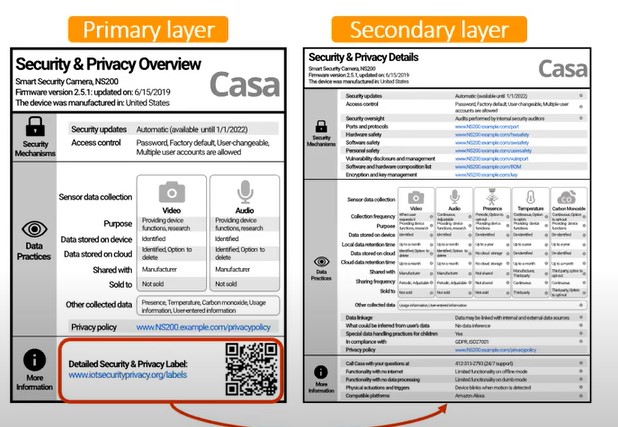
The latest IEEE symposium on privacy and security included a presentation by CMU and Washington University researchers on IoT devices - specifically, trying to help raise the importance of cyber security and privacy in IoT devices such as baby monitors, voice-assistants and more with the proposal for labels on all devices. Would this see widespread adoption?https://youtu.be/X8k1NISqwKohttps://homes.cs.washington.edu/~pemamina/publications/sp21/sp21-paper.pdfimage credit: the researchers noted here.
The latest shareholder letter from outgoing CEO Jeff Bezos points to value creation insights that are super helpful for any entrepreneur:"he argues that success in business and in life boils down to one rule: create more value than you consume. Companies that fail to do so are on the way out, even if they appear successful on the surface"https://www.cbinsights.com/research/bezos-amazon-shareholder-letters/image credit: Free-Photos @Pixabay
Fresh from a USD$124M series A raise from notable investors (including Jaan Tallinn, technology investor and co-founder of Skype and ex Googler Eric Schmidt), US startup Anthropic seeks to build more reliable, general AI systems. Headed by ex VP Research @ OpenAI, the Anthropic team are focussing on the reliability of large-scale AI models and the transparency and interpretability of the same. https://www.anthropic.com/#researchImage credit: Gordon Johnson @Pixabay
Determining the most impactful research can be challenging and useful to such a broad audience. Computer scientists at MIT built a machine learning system - Delphi - Dynamic Early Warning by Learning system, trained on 1.6m papers published in 42 Biotechnology journals between 1982 - 2019. Not without critics - how does a system not perpetuate existing academic bias? - could this help identify foundational and impactful areas of research to collaborate and accelerate?https://www.chemistryworld.com/news/artificial-intelligence-system-can-predict-the-impact-of-research/4013750.articleImage credit - intographics @Pixabay
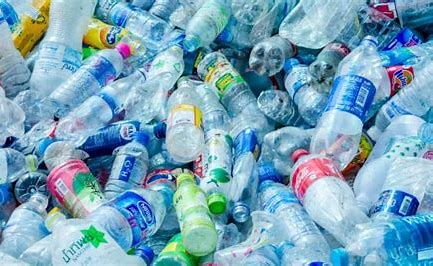
Non-recylable end of life plastic is an under -utilised resource that is currently treated as a costly and challenging waste management issue, often dealt with through incineration or landfill. The thermal conversion chamber which operates in the absence of oxygen, so there is no burning as the plastics gasify. The synthetic gas can then be used for power generation or as a fuel in its own right (ie. hydrogen).https://www.powerhouseenergy.co.uk/technology/
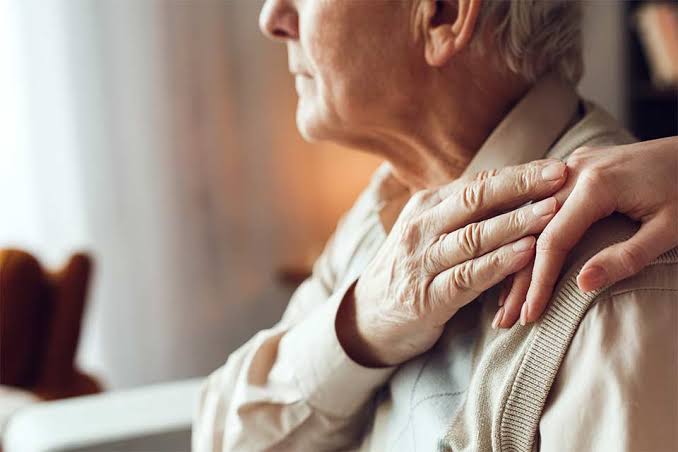
A health care company, Trover, has developed technology that is able to help dementia patients keep their independence.Trover has developed a project with light animations on a table. From a single dining table it creates a game that is a playful environment to really boost the level of quality of life and, and the interaction between people and with carers. https://www.foxbusiness.com/healthcare/new-technology-helps-improve-lives-of-people-living-with-dementia.amp