"Perhaps the government should consider a separate technology fund, established outside normal portfolio lines, to reduce technical debt, focus on digital uplift, allow coherent security practices across portfolios, and build and manage the underlying sovereign technology asset base for government. A separate funding mechanism or entity could offer scope to innovate and to build the cadre of skilled engineers and social scientists needed to generate those public goods that only the government is well placed to offer."MORE > https://www.aspistrategist.org.au/government-must-rethink-funding-model-to-support-technology-in-australias-public-sector/The NSW Government has already made many of these change
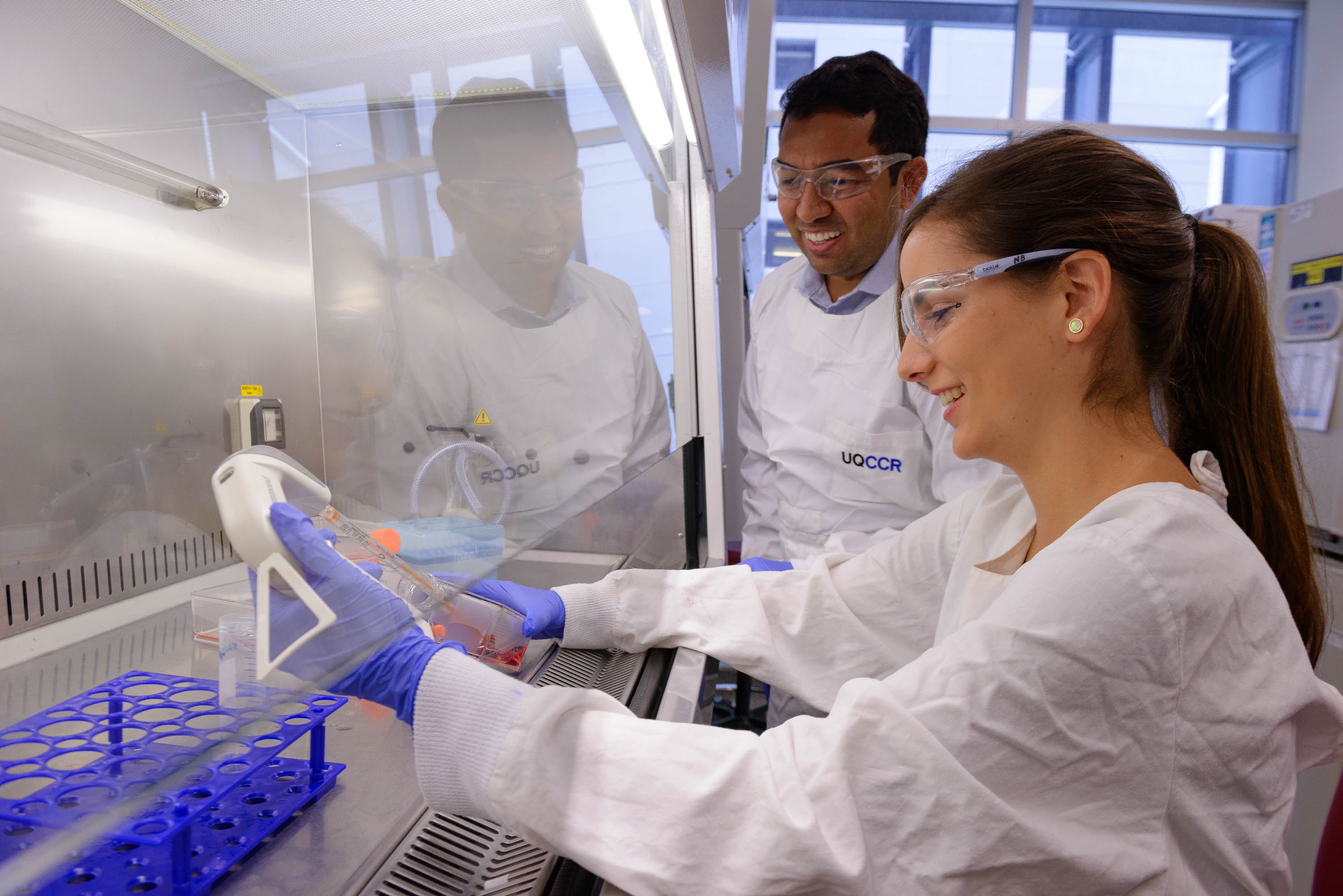
Two Australian groups - Microba Life Sciences and The University of Queensland - have joined forced to develop new treatments and biomarkers for Parkinson's disease by investigating changes in the gut bacteria of those with the disease. Current treatments only help to manage symptoms of the disease, but do not slow or stop the progression. Dr Richard Gordon will lead his team at UQ to understand underlying causes and mechanisms linked to the progression of the disease and Microba will sequence stool samples. | https://microba.com/announcements/microba-partners-with-uq-researchers-to-tackle-parkinsons-disease-by-mining-the-gut-microbiome/
Fujifilm has invested $2 billion to build the largest cell culture biopharma CDMO facility in the United States and create 725 jobs. Holly Springs, North Carolina has been chosen as the site and the facility will be designed and built with sustainability as its core. It will offer large-scale cell culture manufacturing of bulk drug substance production with 8 x 20,000L bioreactors with the potential to add a further 24 x 20,000L bioreactors based on market demand. The facility will also provide commercial scale, automated fill-finish and assembly, packaging, and labelling services. | https://www.biospectrumasia.com/news/89/17799/fujifilm-invests-2-b-to-build-largest-cell-cu