Hyundai has announced the imminent arrival of its new Electric Vehicle (EV) range in Australia for late this year. It will spell an overdue shake-up for the EV market in Australia, despite the Federal Government's lack of enthusiasm or infrastructure planning. Hyundai's Ioniq 5 is a new tech-laden SUV that will squarely challenge the Tesla, with a price range around $70k- $90k drive away. Previously
an individual model, Ioniq is now Hyundai’s EV sub-brand that will
spawn a family of vehicles built on a whole new architecture specific to
electric vehicles. https://www.news.com.au/technology/motoring/hitech/hyundai-ioniq-5-revealed-arrives-in-austra
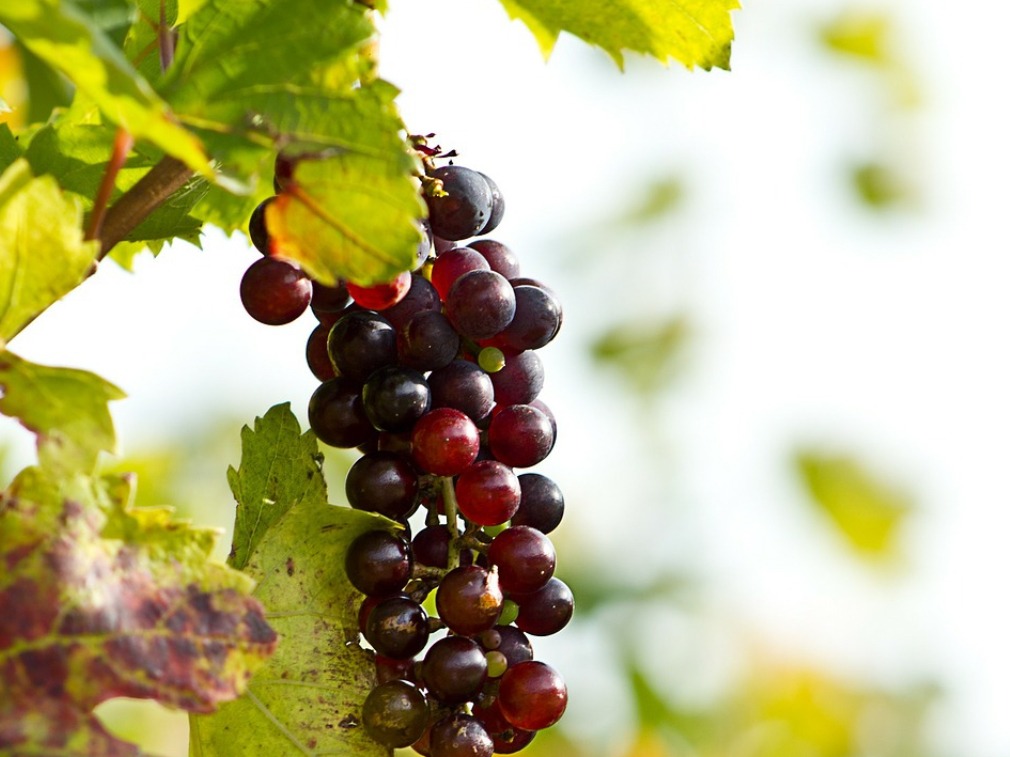
The skin of study participants who consumed lots of grapes developed an increased resistance to UV light.Grapes contain polyphenols, good stuff for repairing skin and fighting inflammation.After their grape adventure, biopsies revealed less skin-cell damage from UV light.The researchers also found that a topical application of a grapeseed extract containing the polyphenol proanthocyanidins inhibited the formation of sunburn cells.https://bigthink.com/surprising-science/grapes-uv-protection?rebelltitem=1#rebelltitem1
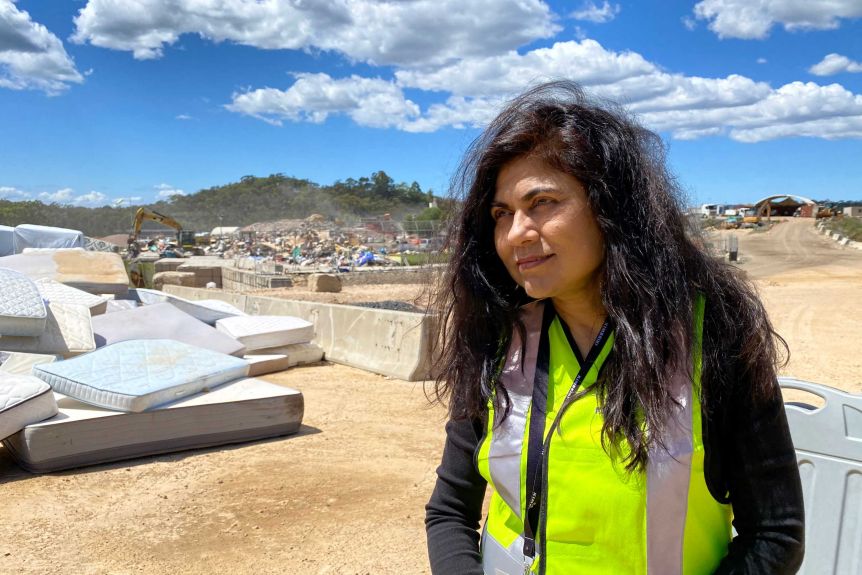
A micro factory is a series of modules that can take a variety of different waste materials and transform them into a new product. Textiles for example can be combined with glass in the micro factory to be converted into hard green ceramics.The ideal location for these micro factories is where the waste is being collected so you can have communities able to access them and turn their own waste into a resource, a small-scale industry.https://www.abc.net.au/austory/the-tipping-point/13164736
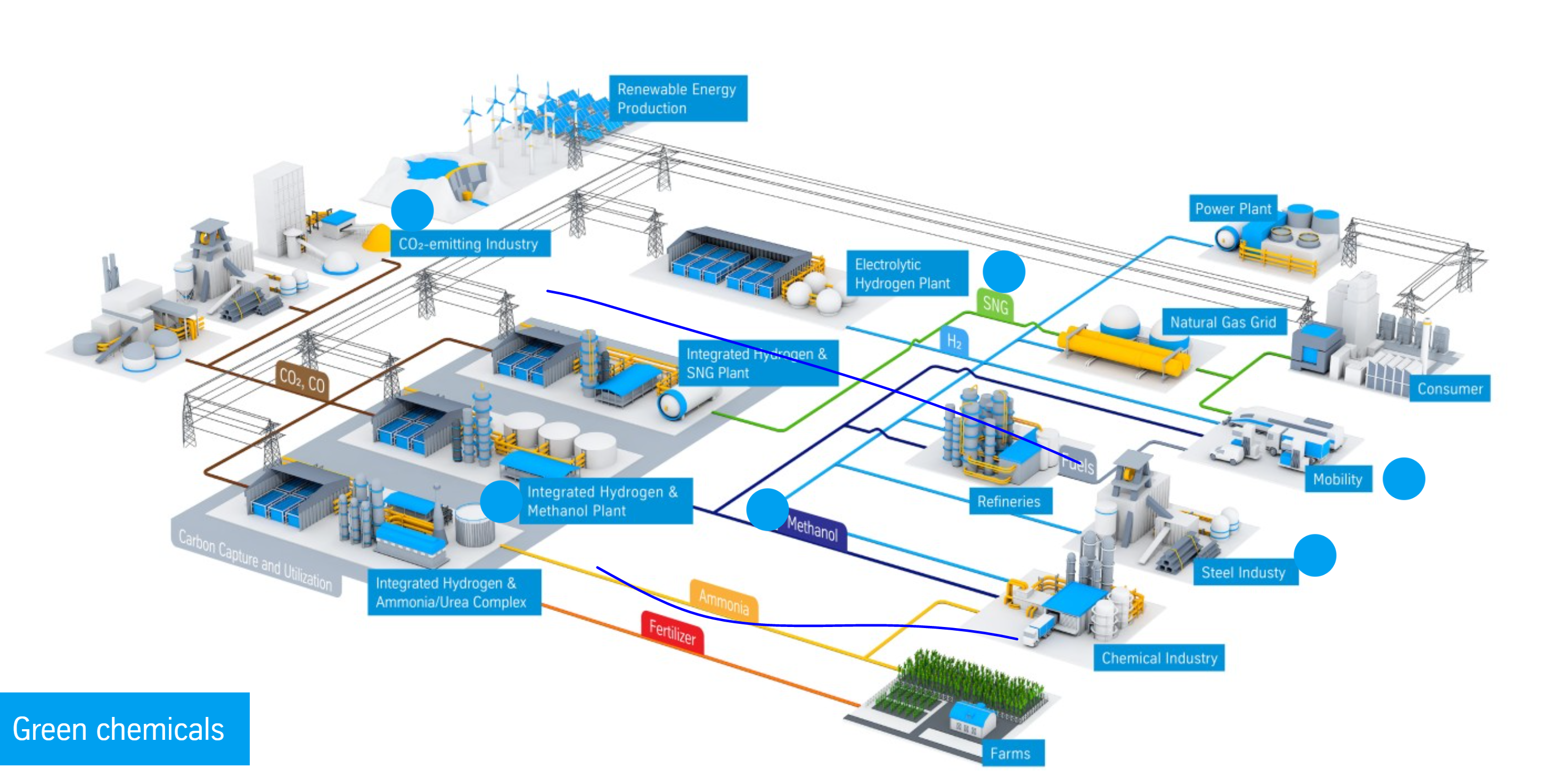
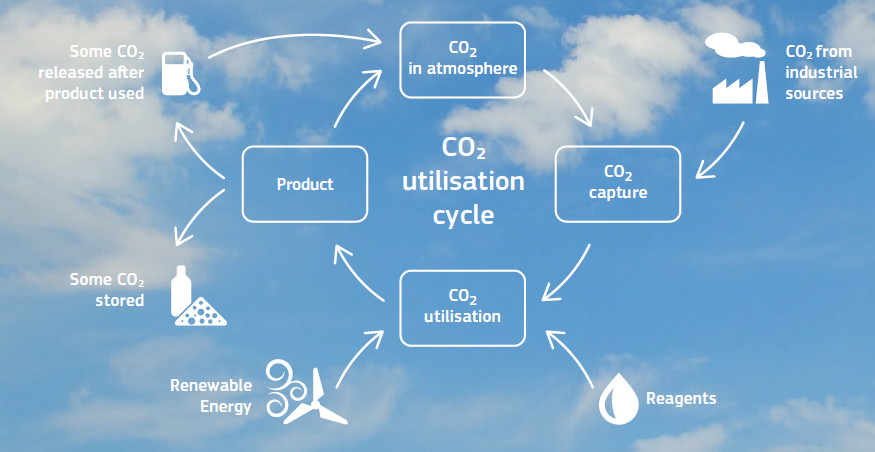
Carbon dioxide (CO2) and carbon monoxide (CO) make up a large proportion of industrial flue gases. Recent research has shown that certain microorganisms are capable of metabolizing these gases into useful by-products, turning the emissions into a useful feedstock, not a waste product.This article in ScienceDaily discusses new research into a bioelectrosynthetic process in which electroactive bacteria convert CO/CO2 into useful metabolites like acetate and volatile fatty acids. Furthermore this new research may deliver a commercially viable Carbon Capture and Utilisation (CCU) option within 5 years. https://www.sciencedaily.com/releases/2021/02/210217175151.htm