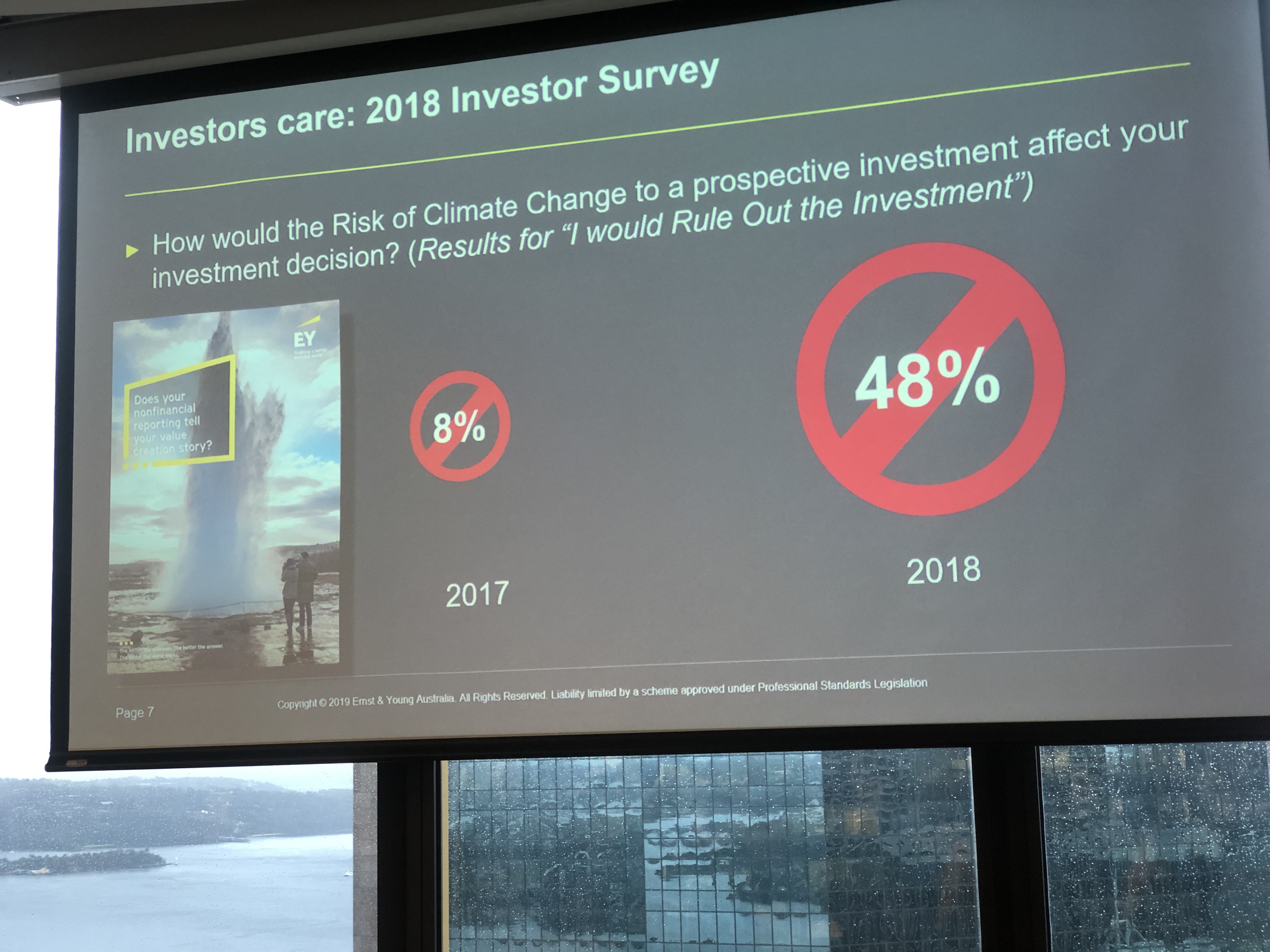
EY Australia conducted an investor survey to check how the risk of climate change to a prospective investment affects investment decisions. 8% of investors said it would rule out an investment in 2017 and the response jumped to 48% in 2018! The result shows that pressure from investors is making a big difference in company plans to deal with the issue.This trend was discussed at the Next Circle briefing in Sydney this week by Mathew Nelson, Global Climate Change and Sustainability Services Lead, EY.
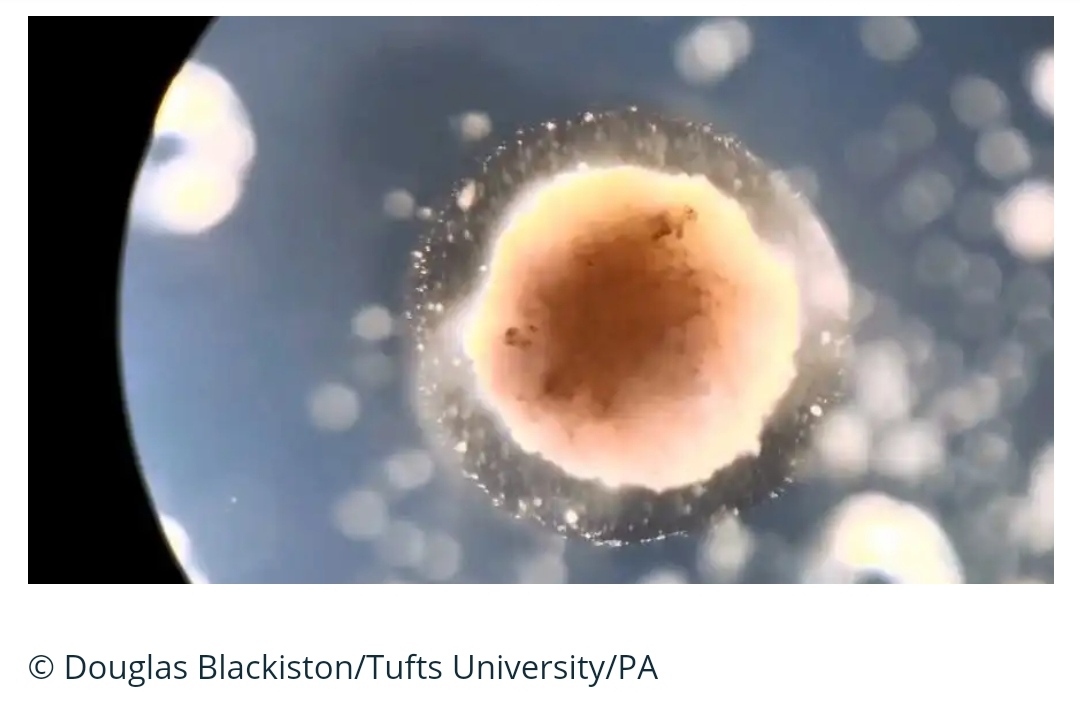
Tiny hybrid robots made using stem cells from frog embryos could one day be used to swim around human bodies to specific areas requiring medicine, or to gather microplastic in the oceans.“These are novel living machines,” said Joshua Bongard, a computer scientist and robotics expert at the University of Vermont, who co-developed the millimetre-wide bots, known as xenobots.“They’re neither a traditional robot nor a known species of animal. It’s a new class of artefact: a living, programmable organism
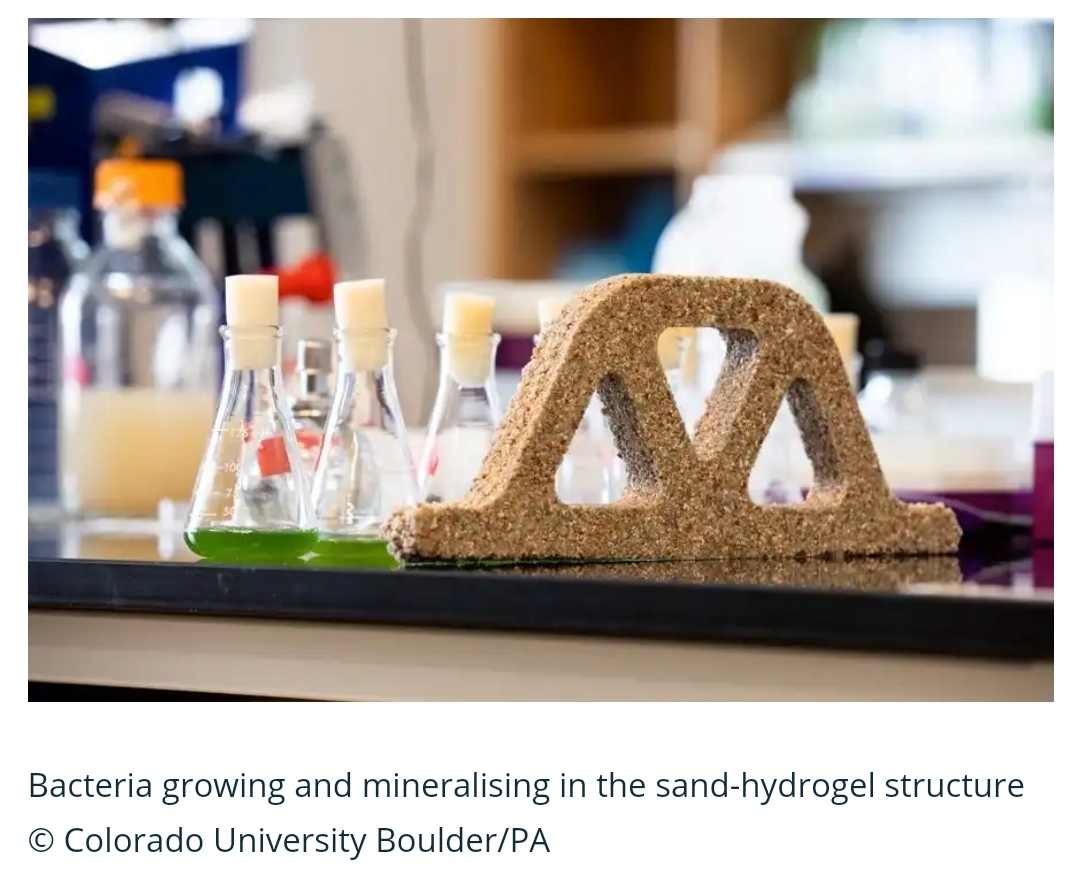
Scientists of University of Colorado Boulder have developed what they call living concrete by using sand, gel and bacteria.Researchers said this building material has structural load-bearing function, is capable of self-healing and is more environmentally friendly than concrete – which is the second most-consumed material on Earth after water.The team from the University of Colorado Boulder believe their work paves the way for future building structures that could “heal their own cracks, suck up dangerous toxins from the air or even glow on command”.