Question: Do you want more car parking or more green space?
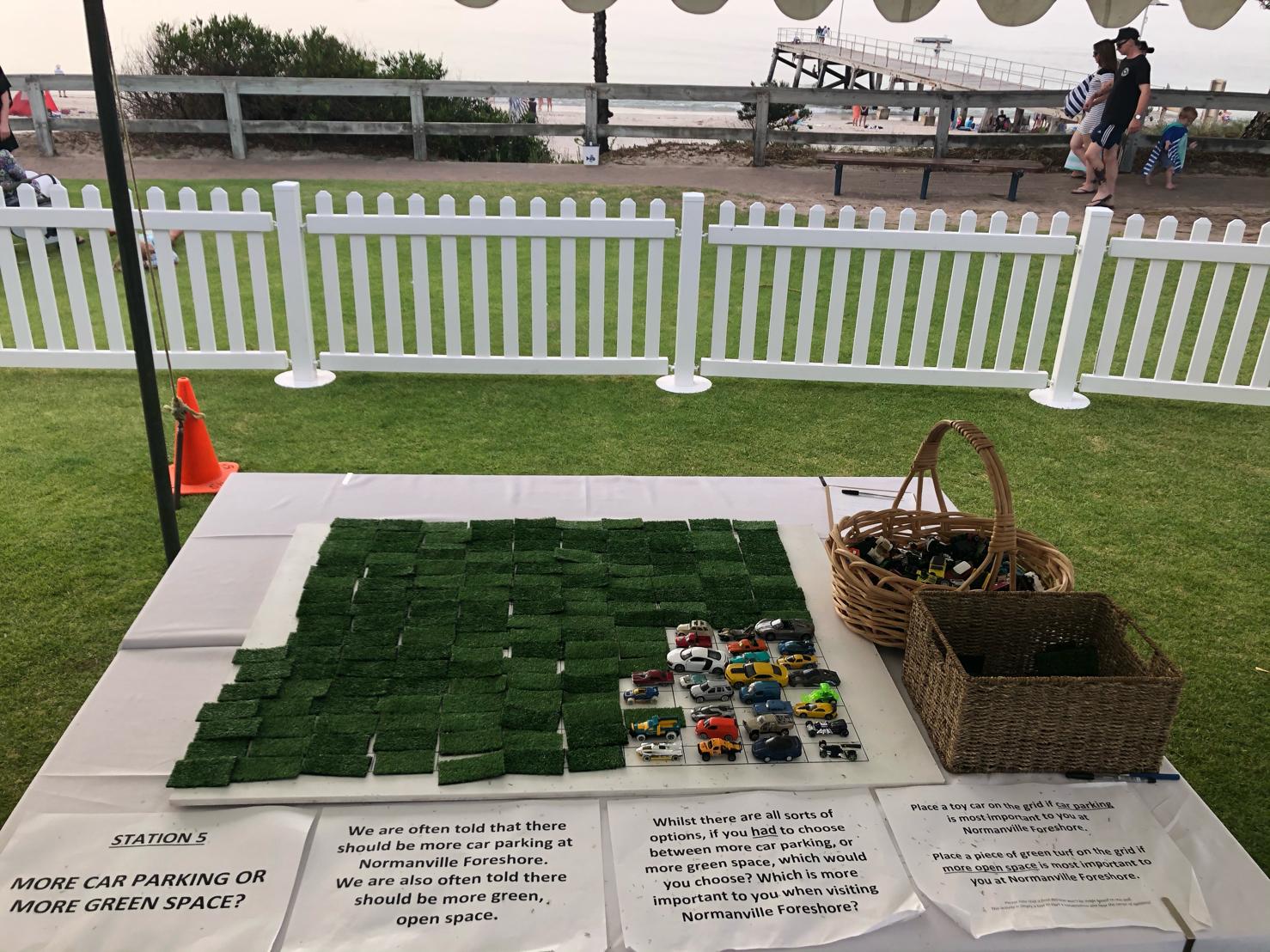
The District Council of Yankalilla, South Australia, went to the community to help determine the future of the Normanville Foreshore. Instead of using a tick box questionnaire they set up 6 stations which were staffed, so that alongside this visual activity was someone listening to the commentary and capturing comments. Council staff loved the opportunity to connect with the community and hear what they had to say.
This station clearly illustrates the preference of the community when it comes to the question of preference of green space vs car parking spaces.
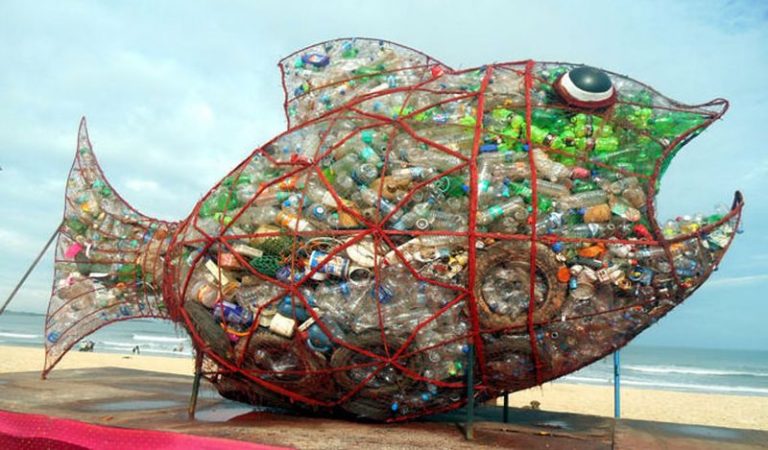
It began with “Yoshi the Fish” (pictured) on Malpe Beach, Mangaluru, India. The sculpture was spotted on social media by management of a holiday resort in Bali, who thought it an excellent idea, and they replicated it on their site with a fish named “Goby” www.intelligentliving.co/yoshi-goby-fish-eating-plastic
‘More Sweetly Play the Dance’ by William Kentridge is shown across the walls of a room. Featuring a slow progression of shadowy figures walking to a haunting tune played by a brass brand, it includes skeletons, generals being pulled along on platforms by bent-over women, dancers in traditional African dress, people on medical drips and a religious procession. All hint at the human and natural crises that force people to flee their homes and walk long distances: hunger, floods, poverty, war. The effect is stunning in its sights and sounds –and in its humanity. Zeitz Museum of Contemporary Art, Capetown, South Africa.
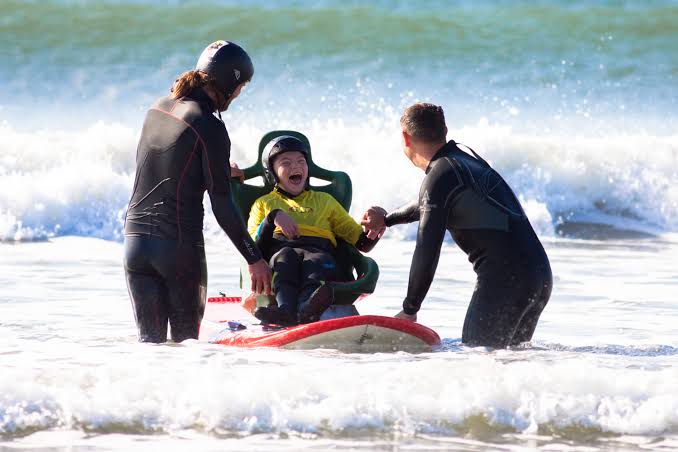
Surfability UK is a community interest company that provides adaptive surfboards for wheelchair users as well as people with physical disabilities and neurodevelopmental conditions. They provide tandem surfboards that allow people to sit up unaided. The company originally started off helping people on the autism spectrum to participate in surfing and expanded into other areas of disability. There is always a team of coaches on hand to help people select the right surfboard, help them into the water and teach them how to catch their own waves.
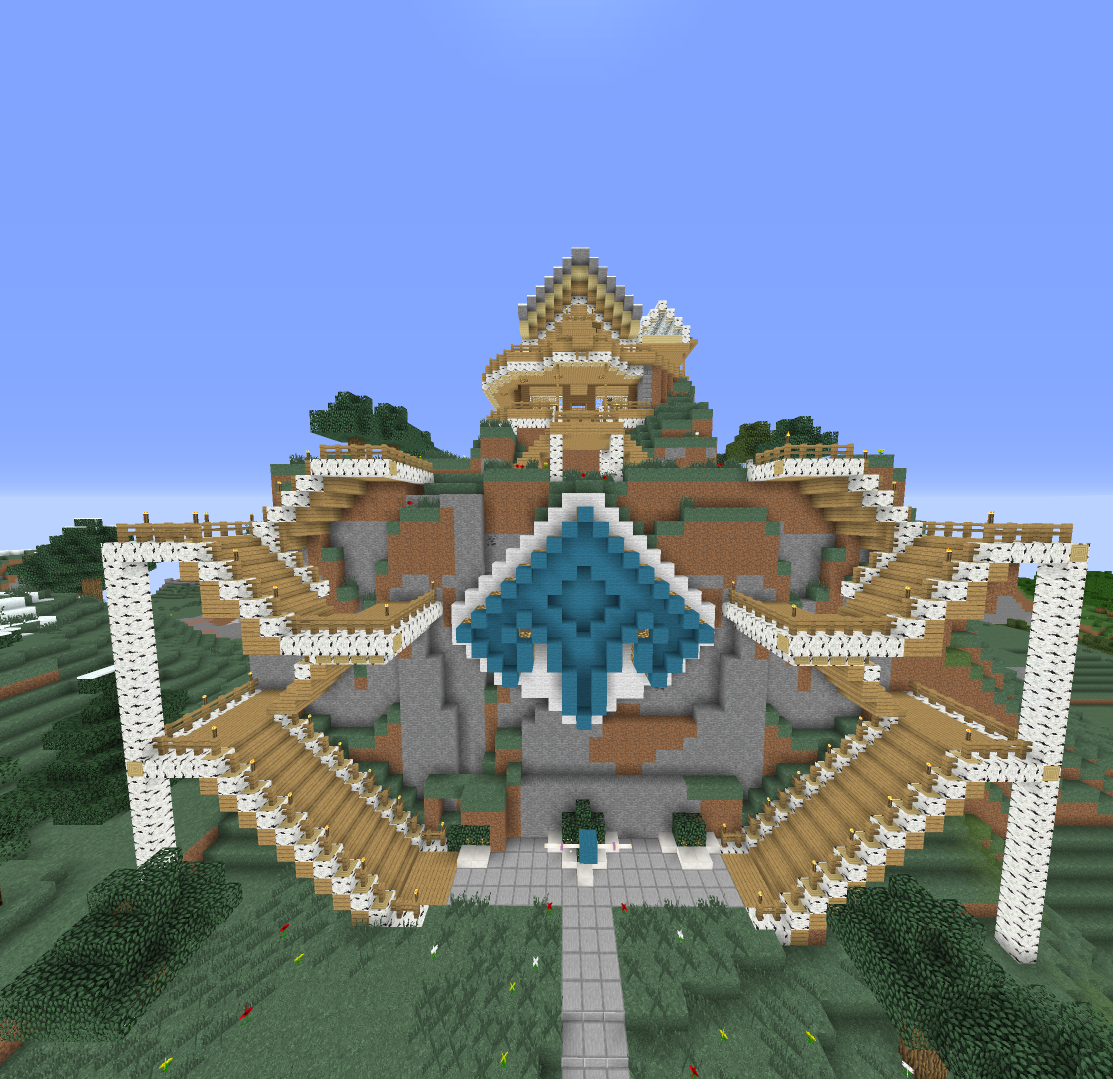
The popular computer game Minecraft, which has been described as virtual Lego, has an autism-specific whitelisted version called Autcraft. Autcraft modifies the rules of Minecraft by not allowing swearing, bullying, killing and stealing, as well as providing specific in-game support and different types of activities. Once registered and approved, players can mingle with other autistic adults, kids or their family members. The creator, Stuart Duncan, is an autistic man who also has an autistic child. He created the game to allow others on the spectrum to play Minecraft without fear of bullying or discrimination. https://www.autcraft.com/