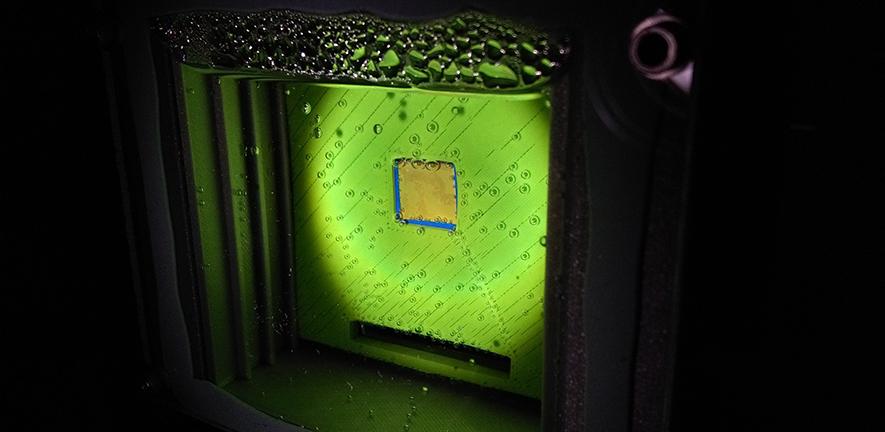
A widely-used gas that is currently produced from fossil fuels can instead be made by an ‘artificial leaf’ that uses only sunlight, carbon dioxide and water, and which could eventually be used to develop a sustainable liquid fuel alternative to petrol.www.cam.ac.uk/research/news/artificial-leaf-successfully-produces-clean-gas
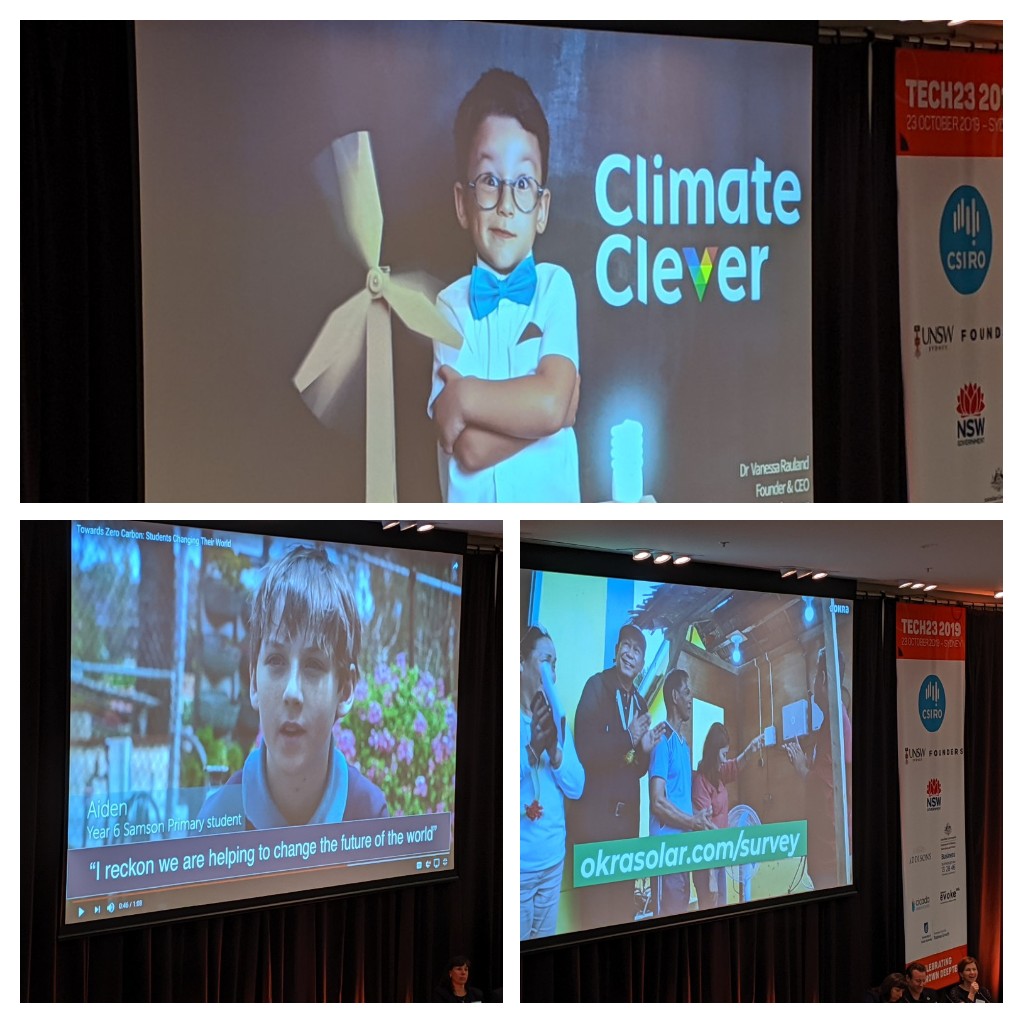
Energy innovations are critical to reduce the poverty cycle in many communities - at Tech23 we heard of some remote Asian communities where children cycle 8km to charge a battery for 4 hours to power their light & mobiles! Okra Solar is spearheading this new approach to connect communities. Next year their goal is to connect 40K people!!
In parallel, our youth is catalysing the much needed action on climate change. Vanessa & the ClimateClever team have built an app that helps schools & local communities measure, audit and remediate their carbon footprint (and save $ on their utility bills)
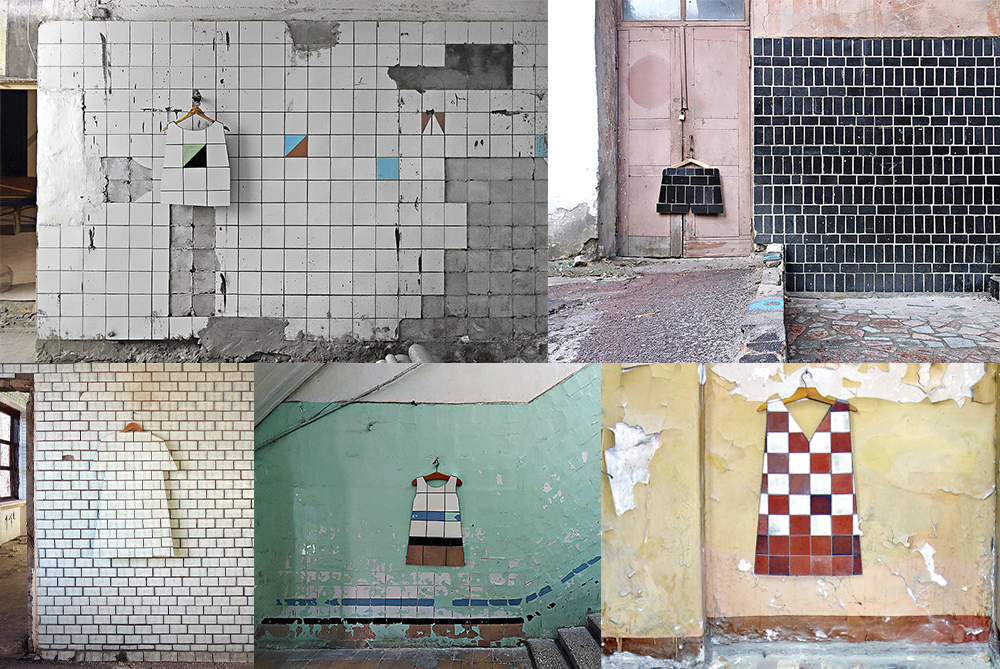
“Ukranian artist Zhanna Kadyrova explores what we do when we take a building and restore or reimagine it. She employs recycled objects that are slightly unnerving, stiff tiled shirts hang on wooden coat hangers, their tiled fabric unapologetic. They hang silently echoing the materiality of the walls behind them. Second Hand is the project Kadyrova started in San Paulo in 2014 inspired by the widespread practice of tiling coloured walls in Brazil. She purchased second hand, decorative tiles used to cover Brazil’s local shops creating with them her signature eclectic clothing art pieces.”
https://www.yellowtrace.com.au/second-hand-ceramic-clothing-from-found-ceramic-tiles-zhanna-kadyrova/
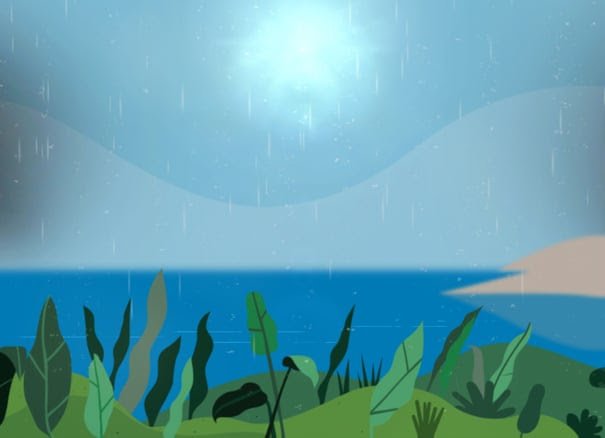
A group of researchers at the eating disorders unit at Bellvitge University hospital in Barcelona has developed a video game with built-in biofeedback that rewards emotional control in relation to anorexia. On a virtual tropical island, gamers enjoy sun and sand before experiencing stormy storms. The application is connected via Bluetooth to a single sensor that transmits heart rate and heart rate variability data heart rate from participants to the device.
If participants are able to regulate their reactions and remain calm, their cardiac response is recorded by the sensor that rewards them, dispelling the storm. If they cannot regulate their emotions, the storm intensifies.