KPMG Social Media Intelligence helps clients capitalise on social media in managing their brand and reputation. As part of this service they assess how social media can provide insights into discussions about products, services and potential markets. One of their tools is a screen that's constantly updated with Twitter posts over the previous week. This screen shows their analysis of tweets about IdeaSpies-you can see the main conversations emerging around StartupAus, growth hacking and innovation based on hashtags used.
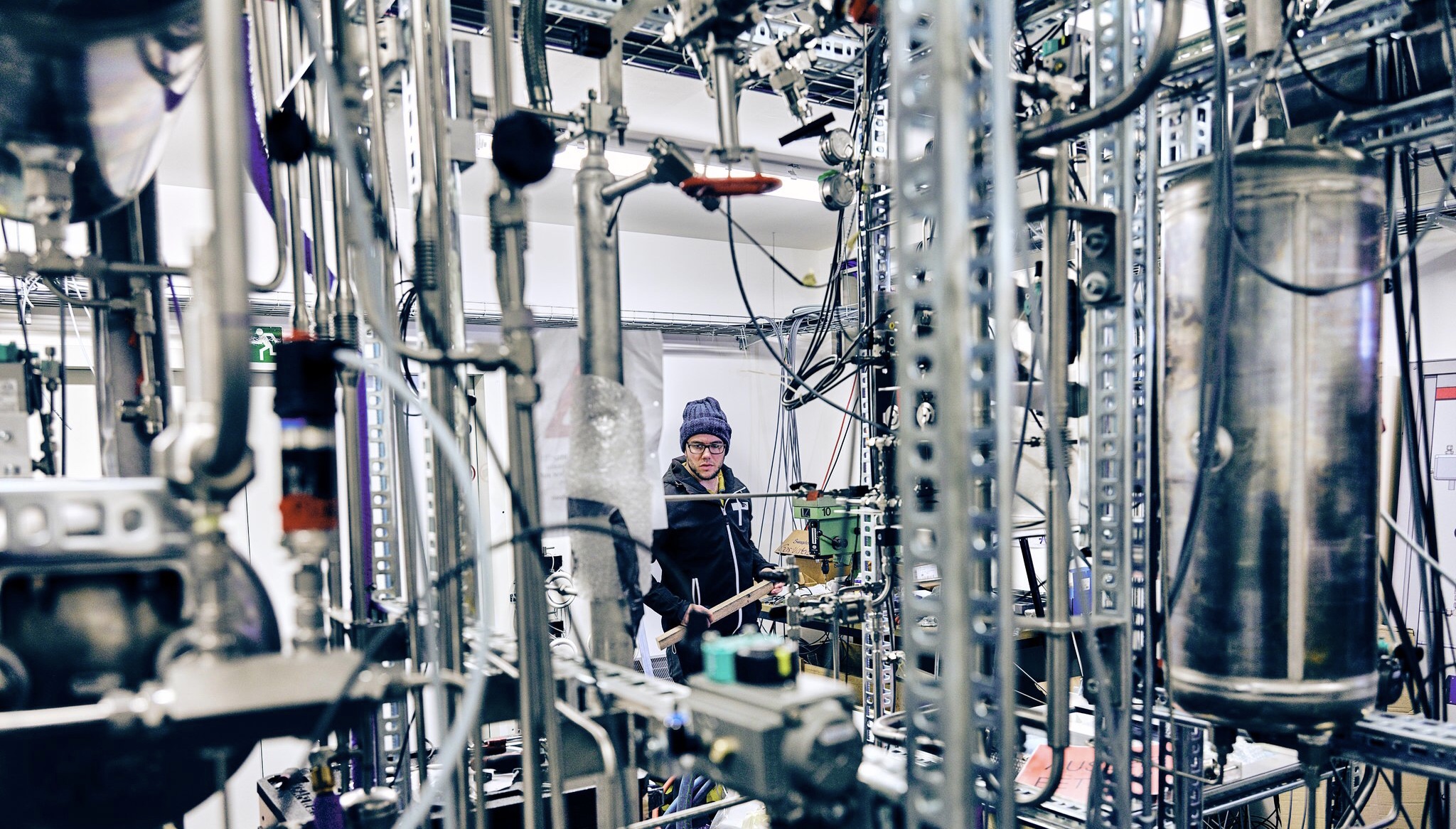
Climeworks is a Swiss company whose goal is to make it possible to capture CO2 from the air for below $100 per ton. They believe that by 2030 there will be a global average price on carbon in the range of $100 to $150 a ton. Currently only a few European countries have made progress in assessing a high price on carbon however Climeworks believe more countries will price carbon. Then a company that sells a product or uses a process that creates high emissions (an airline, for instance, or a steel maker) could be required to pay carbon-removal companies $100 per metric ton or more to offset their CO2 output. Or a government might use carbon-tax proceeds to directly pay businesses to collect and bury CO2. www.nytimes.com/2019/02/12/magazine/climeworks-business-climate-change.html
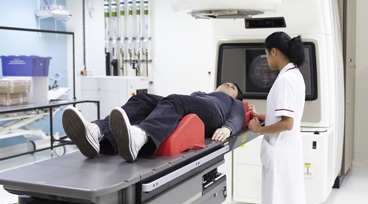
This new type of super-precise radiotherapy promises to transform the way we treat certain types of lung cancer, after a Melbourne-led clinical trial revealed the treatment significantly improved survival chances.
Stereotactic ablative body radiotherapy (SABR) uses thin beams of radiation to directly attack the tumour. It's also cheaper than traditional radiotherapy.
In this way, the tumour receives a very high dose of radiation and the surrounding tissues largely avoid it, minimising side effects. And patients only need to come to hospital three or four times, rather than regularly over the space of two months.
https://www.smh.com.au/national/like-winning-lotto-the-treatment-that-kills-cancer-in-a-few-hours-201902
Child psychologist Michael Carr-Gregg has written to the Australian Prime Minister recommending a digital license for school children to reduce online risks and tackle cyberbullying. A digital licence has already been developed by the Alannah and Madeline Foundation, which believes every child would benefit from it. The PM supports it saying "A digital license is important, in the same way that your kids get a pen license at school?. https://www.sbs.com.au/yourlanguage/korean/en/article/2019/01/29/pm-backs-digital-licence-school-kids
The Otsu school in Japan will feed AI information from about 9,000 suspected bullying cases, reported by their elementary and junior high schools, between 2012 and 2018. This information will include details on the students involved, their ages, genders, absenteeism records, and academic achievements as well as when and where any bullying incidents took place. Through an AI theoretical analysis of past data, they plan to properly respond to cases without just relying on teachers' past experiences. The hope is that the AI will allow school officials to identify the bullying cases that are likely to escalate in seriousness so that they can intervene and diffuse situations before it's too late.
https://futurism.com/the-byte/school-bullying-artificial-intelligence