An elevated body temperature can kill. Yet fever is a common response to infection. Recent research shows how febrile temperatures encourage a particular protein called Hsp90 to shepherd immune-system cells to sites of infection. This research suggests ways in which the process might be regulated to a patient's advantage. Drugs that increase Hsp90 production should promote the migration of T-cells to lymph nodes, and so aid the treatment of infections that need a larger immune response. Conversely, drugs that diminish Hsp90 production might help reduce T-cell movement in people with so-called auto-immune disorders, such as multiple sclerosis and rheumatoid arthritis, in which immune-system cells attack the body they are part of.
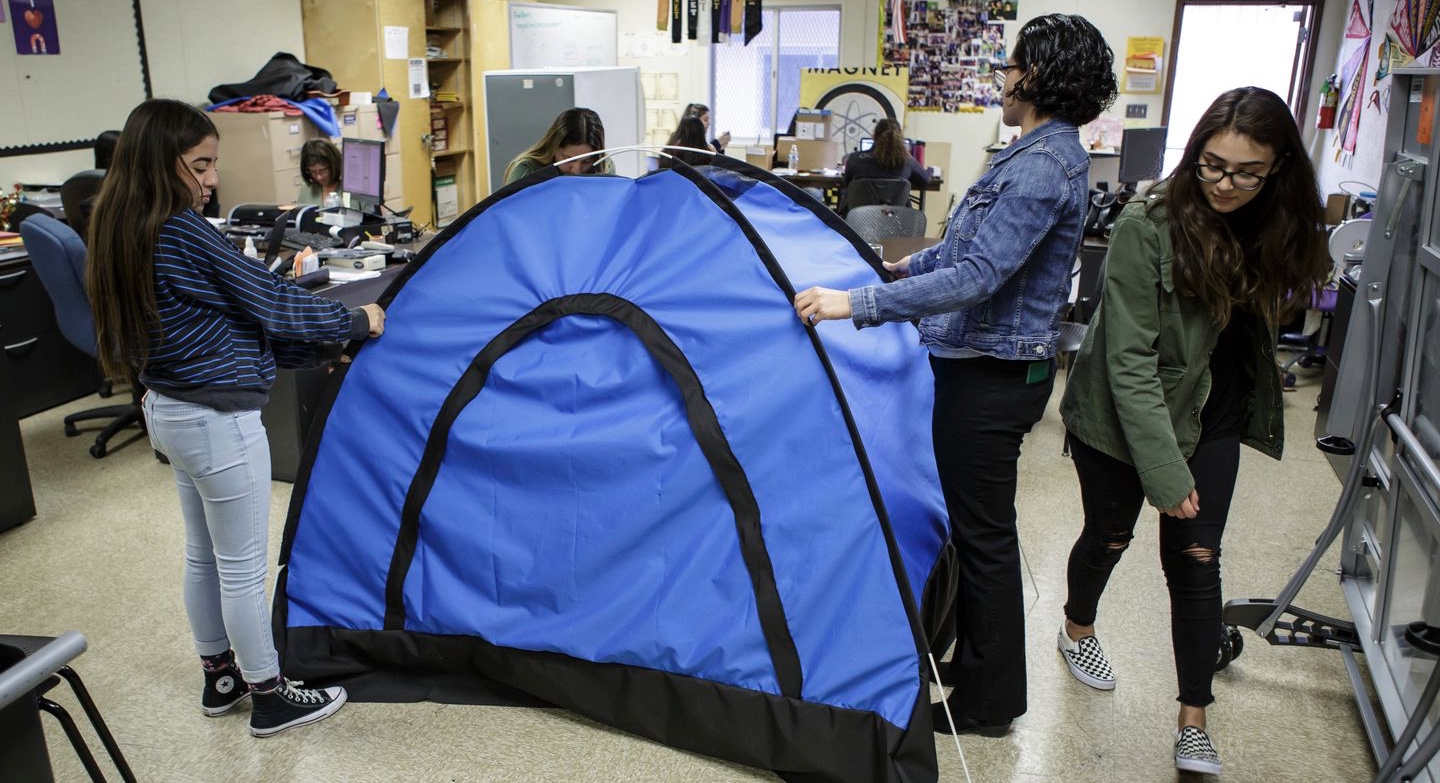
This solar powered tent folds up into a rollaway backpack and was produced by girls who hope that one day, their tent will improve the lives of people experiencing homelessness in their community.?The teens, none of whom had coded, soldered, sewn, or 3D-printed before they joined forces, won a $10,000 grant from the Lemelson-MIT Program to develop the invention.?They were recruited by DIY Girls, a nonprofit that teaches girls from low-income communities about engineering, maths and science, to go after the grant. https://www.buildingandinteriors.com/10205/
The Women's Safety XPRIZE of $1 million was awarded to Leaf Wearables. The official challenge was to create a device costing less than $40 that can autonomously and inconspicuously trigger an emergency alert while transmitting information to a network of community responders, all within 90 seconds. Leaf had the advantage of having already shipped a product along these lines, the Safer pendant. https://safety.xprize.org/prizes/womens-safety/teams/leaf_wearables
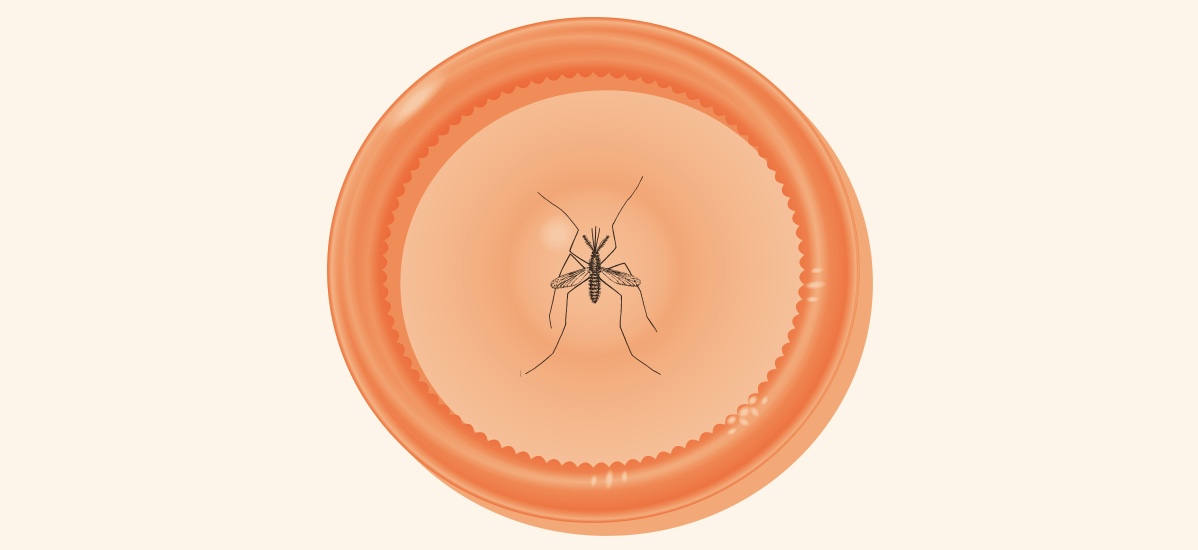
Mosquitoes are the deadliest creatures on Earth. Each year, nearly a million people die from a disease they caught from one of the tiny insects. Rather than focusing on finding a cure for bug-borne diseases like malaria and Zika, a team of scientists from the University of Arizona decided to focus their research directly on mosquitoes. In the process, they found a protein seemingly essential for mosquito reproduction and the discovery could lead to the creation of a drug that acts as birth control for the tiny killers. https://futurism.com/the-byte/mosquito-birth-control-prevent-deaths
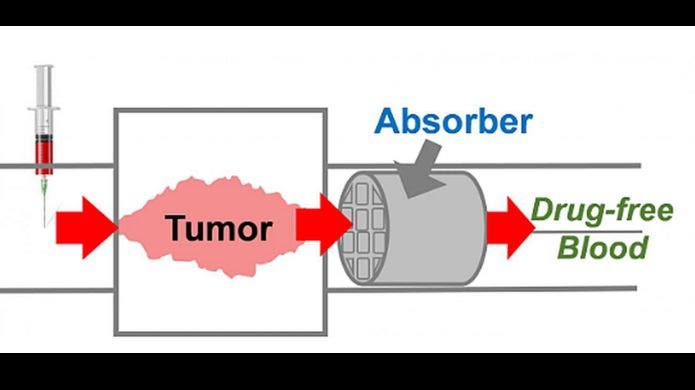
The toxic side-effects of chemotherapy could be reduced by a sponge-like?device which strains leftover cancer drugs from the blood stream before they damage the brain or cause hair loss. The tubular device is 3D-printed - so it could be tailor-made to fit the patient.
Its mesh-like centre is covered with a special coating that absorbs the drug, but lets blood flow through the device unhindered. https://www.bbc.com/news/health-46782190