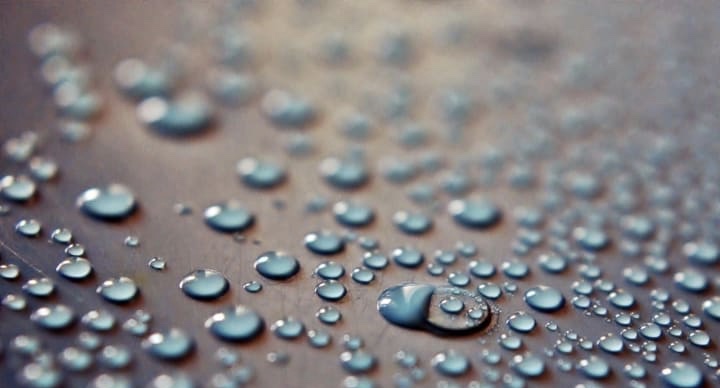
Majik Water, captures water from the air and converts it into drinking water using solar technology. The process uses desiccants such as silica gels to draw water from the air. The gels are then heated up with solar power to release the water. The current system can generate up to 10 litres of filtered water per day, with the team looking to scale up to 100-litre systems at a cost of only ?0.08 per 10 litres. The solar panels used for the prototype are the most expensive input on the device and Majik Water is looking for ways to drive those costs down. The device, which won first prize this year at the EDF Africa awards , could provide a solution for the 1.8 billion people predicted to have a shortage of water by 2025, according to the UN. http://www.majikwater.co/
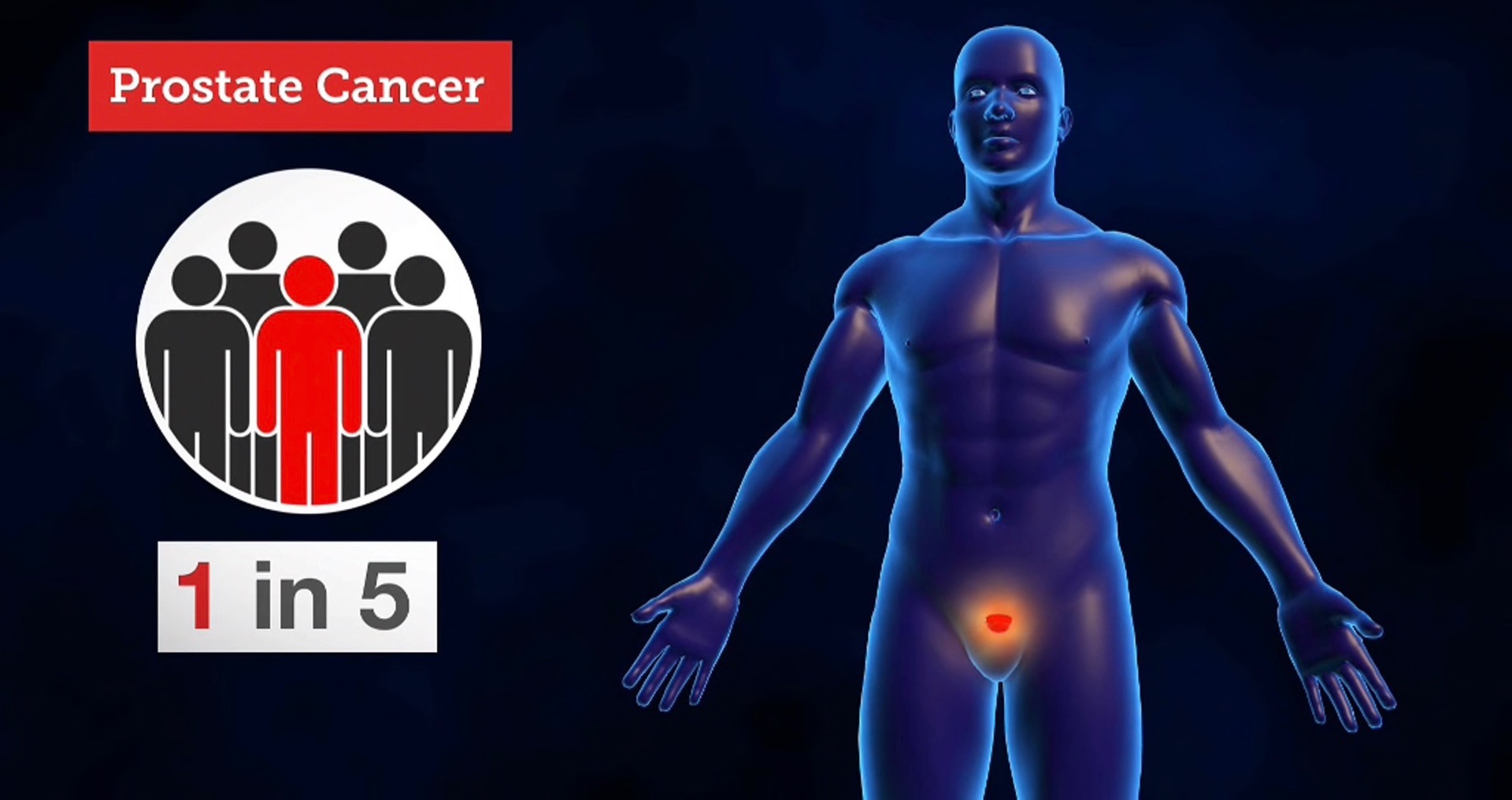
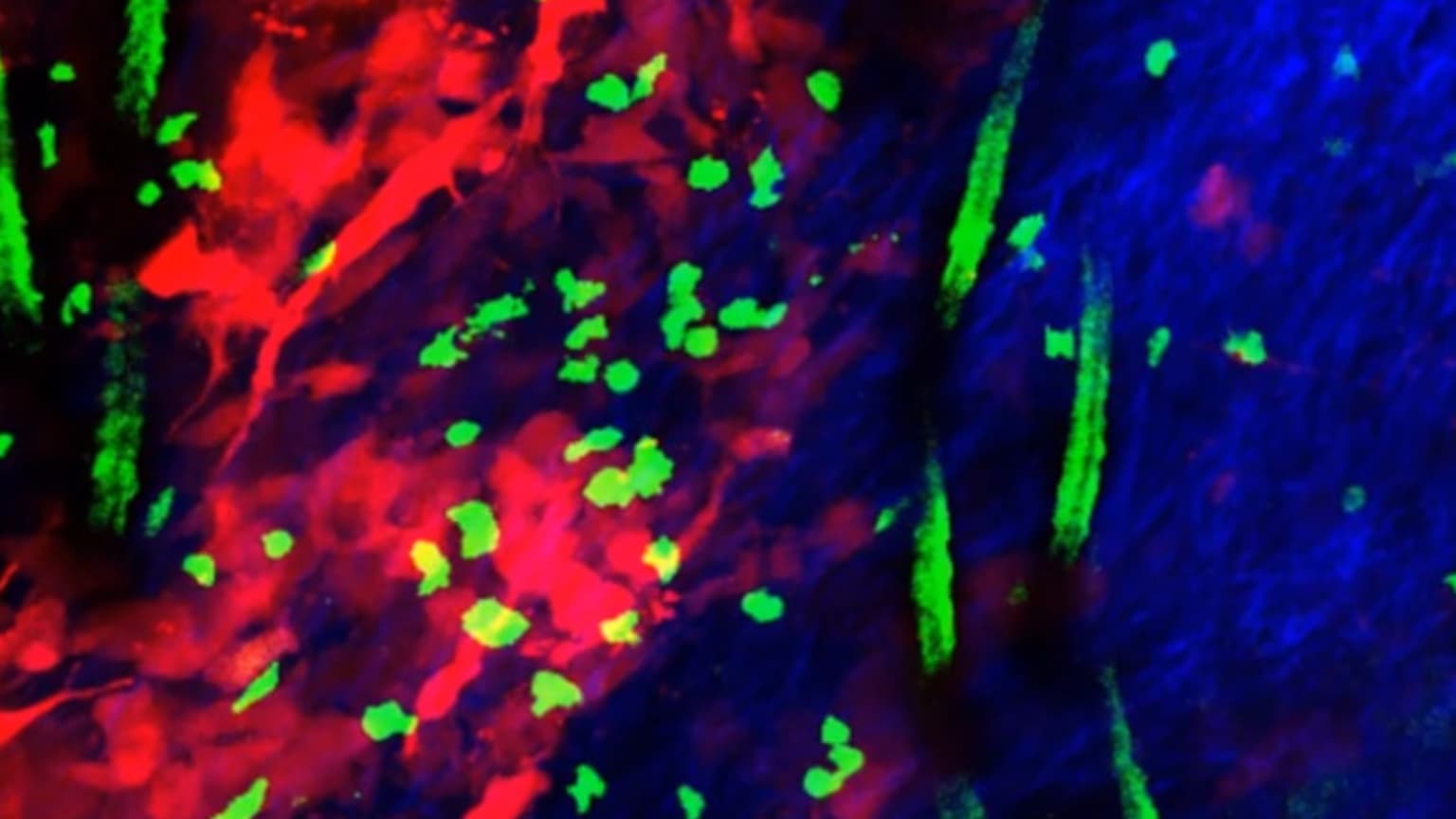
Australian scientists have discovered that special immune cells have the power to put melanoma tumours "to sleep", potentially paving the way for new treatments. The cancer cells aren't completely killed. They are still there, but they are held in check by the tissue-resident memory T cells. It seems that the T cells can patrol the skin and watch over the melanoma tumour cells. Melanoma remains the fourth most commonly diagnosed cancer in Australia, behind breast cancer, prostate cancer and colorectal cancer. Australia and New Zealand have the world's highest incidence rate for melanoma.
https://www.smh.com.au/healthcare/hopes-of-melanoma-breakthrough-from-cells-that-put-cancer-to-sleep-20181231-p50oz3.html
Researchers from the University of Washington and Facebook have developed a way to animate stationary characters in any image, resulting in them springing into action to sprint toward you out of the background. Most current AR applications are built for a specific image, like a billboard; this tool can identify a human silhouette, generate a 3D version of the person, and create a realistic animation for the figure to jump off the photo into the real world. https://www.digitaltrends.com/cool-tech/ar-figures-walk-off-backdrop/